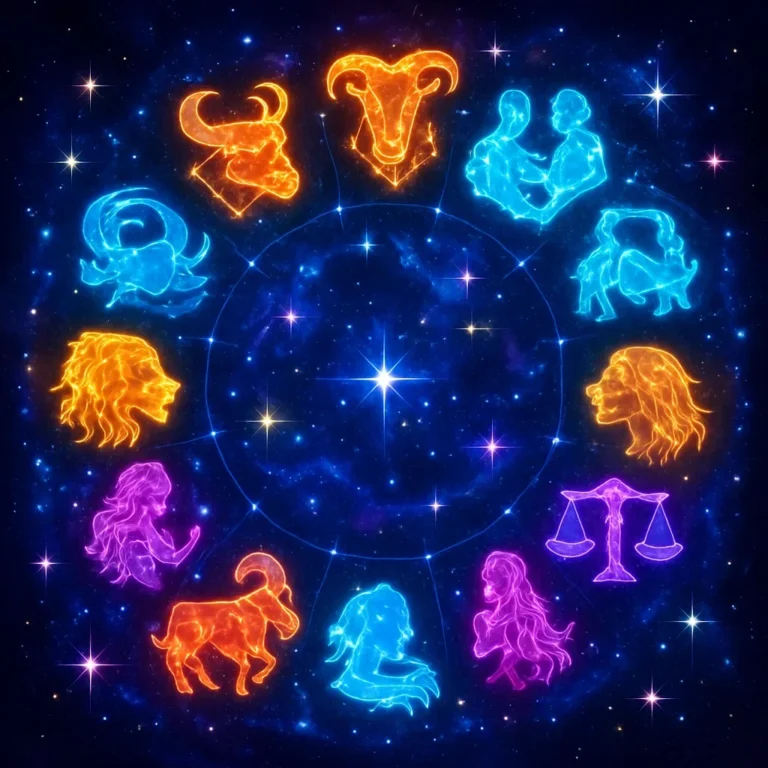
Zodiac Signs Guide Long-Term Direction
When we think about long-term life direction, we often look to practical tools like career counseling, financial planning, or personal development frameworks. Yet, many people turn to the stars for guidance, believing that the positions of celestial bodies at birth can illuminate a path toward fulfillment. This article explores how Zodiac Signs can be integrated into a thoughtful, evidence-informed approach to shaping your future. By combining astrological insights with psychological research and strategic planning, you can create a holistic roadmap that respects both your innate tendencies and your evolving goals.
Understanding Zodiac Signs and Their Influence
The concept of Zodiac Signs dates back thousands of years, originating in ancient Babylonian astronomy and later refined by Greek and Roman scholars. Each sign—Aries, Taurus, Gemini, Cancer, Leo, Virgo, Libra, Scorpio, Sagittarius, Capricorn, Aquarius, and Pisces—represents a 30-degree segment of the ecliptic, the apparent path of the Sun across the sky. While the scientific community does not endorse astrology as a predictive science, the symbolic language of the zodiac offers a rich narrative framework for self-reflection. According to the Wikipedia entry on Zodiac, these signs are associated with elemental qualities (fire, earth, air, water) and cardinal, fixed, or mutable modalities, each suggesting different approaches to change, stability, and communication.
Modern psychology recognizes that personality traits can be influenced by a complex interplay of genetics, environment, and culture. The American Psychological Association notes that while astrology lacks empirical validation, the narratives it provides can serve as a useful metaphor for exploring identity. By mapping your sign’s archetypal strengths—such as Aries’ initiative or Pisces’ empathy—you can identify natural inclinations that may align with certain career paths or life choices.
Zodiac Signs and Career Pathways
Career planning often begins with a self-assessment of skills, interests, and values. Zodiac Signs can add a layer of introspection by highlighting innate preferences. For instance:
- Aries thrives in dynamic, leadership roles that require quick decision-making.
- Taurus excels in fields that value stability and tangible results, such as finance or agriculture.
- Gemini is drawn to communication-intensive careers, including journalism, marketing, or public relations.
- Cancer often finds fulfillment in caregiving professions, like nursing or social work.
- Leo seeks creative outlets and positions that allow for public recognition.
- Virgo excels in analytical roles, such as data science or quality control.
- Libra values harmony and is well-suited for diplomacy, law, or design.
- Scorpio thrives in investigative or research-oriented careers.
- Sagittarius is attracted to travel, education, or entrepreneurship.
- Capricorn excels in structured, goal-oriented environments like engineering or management.
- Aquarius is drawn to innovation, technology, or humanitarian work.
- Pisces often excels in artistic or therapeutic fields.
While these associations are not deterministic, they can serve as a starting point for exploring roles that resonate with your core energies. The Harvard Business Review article on career choice emphasizes the importance of aligning personal values with professional responsibilities—a principle that aligns well with the self-awareness fostered by zodiac reflection.
Zodiac Signs and Personal Growth
Long-term life direction is not solely about career; it also encompasses personal development, relationships, and health. Zodiac Signs can act as a mirror, reflecting areas where growth is most needed. For example, a Cancer might benefit from cultivating assertiveness, while a Libra could focus on decision-making skills. By setting goals that address these sign-specific tendencies, you create a balanced growth plan that acknowledges both strengths and blind spots.
Integrating mindfulness practices—such as journaling, meditation, or therapy—can help you observe how your sign’s archetype manifests in daily life. The Britannica article on astrology notes that many practitioners use the zodiac as a tool for self-reflection, not as a deterministic forecast. When combined with evidence-based strategies, this approach can enhance emotional resilience and decision-making clarity.
Zodiac Signs and Long-Term Decision Making
Strategic planning for the future often involves setting milestones, evaluating risks, and adapting to change. Zodiac Signs can inform your decision-making style. For instance, a Capricorn’s methodical approach may favor detailed risk assessments, whereas a Sagittarius’s adventurous spirit might encourage bold, exploratory choices. Recognizing these patterns allows you to balance caution with innovation.
To operationalize this insight, consider the following framework:
- Identify Your Sign’s Core Traits – List the primary strengths and challenges associated with your zodiac sign.
- Align with Long-Term Goals – Map these traits onto your career, relationships, and health objectives.
- Develop Actionable Steps – Create specific, measurable actions that leverage your strengths and mitigate weaknesses.
- Review and Adjust – Periodically reassess your progress, staying open to recalibration as life circumstances evolve.
By treating your zodiac sign as a lens rather than a verdict, you can harness its symbolic power to guide thoughtful, intentional choices. This method respects the complexity of human development while offering a personalized narrative that can motivate sustained effort.
Conclusion: Harnessing Zodiac Signs for a Purposeful Future
While the stars themselves do not dictate destiny, the stories they inspire can illuminate pathways that feel authentic and meaningful. By integrating Zodiac Signs into a structured, evidence-informed planning process, you can uncover hidden strengths, anticipate challenges, and align your long-term direction with your deepest values. Whether you’re charting a career trajectory, nurturing personal growth, or navigating major life transitions, the zodiac offers a symbolic compass that can help you stay true to yourself while embracing change.
Take the next step: explore how Zodiac Signs can guide your long-term life direction today and start crafting a future that feels both intentional and inspired.
Frequently Asked Questions
Q1. How can Zodiac Signs help me choose a career?
Zodiac Signs offer symbolic archetypes that can highlight natural inclinations and strengths. By reflecting on your sign’s traits—such as Aries’ leadership or Pisces’ empathy—you can identify career fields that resonate with your core energies. This introspection can complement traditional career assessments and help you focus on roles that feel authentic. However, it should be used as a guide, not a definitive rule.
Q2. Are Zodiac Signs scientifically validated?
Scientific studies have not found reliable evidence that astrological positions predict personality or life outcomes. The American Psychological Association notes that astrology lacks empirical support. Nonetheless, many people find value in the narrative and metaphorical aspects of zodiac archetypes for self‑reflection.
Q3. Can I use Zodiac Signs for personal growth?
Yes, zodiac archetypes can serve as a mirror to identify strengths and blind spots. For example, a Cancer might work on assertiveness while a Libra could practice decisive action. Pairing these insights with mindfulness, journaling, or therapy can create a balanced growth plan that respects both innate tendencies and evolving goals.
Q4. How do I combine Zodiac insights with evidence‑based planning?
Start by mapping your sign’s core traits onto your long‑term goals. Then set specific, measurable actions that leverage strengths and address challenges. Regularly review progress, adjust strategies, and integrate data‑driven tools like skill assessments or financial planning software to keep decisions grounded in reality.
Q5. What are common pitfalls when relying on Zodiac for long‑term decisions?
Over‑reliance can lead to stereotyping or ignoring personal preferences that fall outside archetypal patterns. It’s easy to cherry‑pick favorable traits while dismissing less flattering ones. To avoid this, treat zodiac insights as one of many lenses and always corroborate with objective information and personal reflection.