Astrology Signals Pointing Future
Astrology has fascinated humanity for millennia, offering a celestial roadmap that many believe can illuminate the path ahead. When we talk about Astrology Signals Pointing to Your Future, we’re referring to the subtle cues—planetary positions, zodiac alignments, and transits—that astrologers interpret to forecast trends, opportunities, and challenges. Whether you’re a seasoned believer or a curious skeptic, understanding these signals can help you navigate life with greater insight and intentionality.
Astrology Signals: Foundations of Celestial Insight
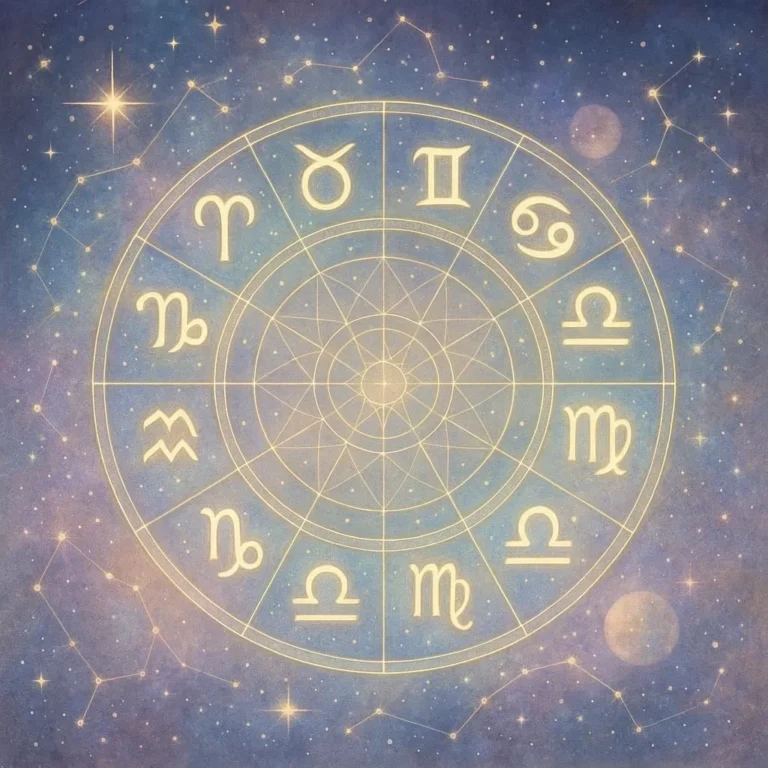
At its core, astrology is a symbolic language that translates the positions of celestial bodies into human experience. The primary components include the Sun, Moon, planets, and the 12 zodiac signs. Each element carries a distinct energy that, when combined, forms a unique astrological profile. The science behind these interpretations is rooted in ancient observations of planetary motion and modern psychological frameworks that explore archetypal patterns.
Key concepts to grasp include:
- Aspects – angles between planets that indicate harmony or tension.
- Transits – current planetary positions relative to your natal chart.
- Progressions – symbolic movement of planets over time, reflecting personal growth.
These elements work together to create a dynamic map of potential future events. By studying them, astrologers can identify periods of heightened creativity, financial opportunity, or emotional vulnerability.
Astrology Signals: Planetary Alignments to Watch
Planetary alignment is one of the most powerful astrology signals. Certain configurations, such as conjunctions, squares, and oppositions, can amplify the influence of the involved planets. Below is a list of five key alignments that often signal significant shifts:
- Sun–Mars Conjunction – A surge of motivation and assertiveness, ideal for launching new projects.
- Venus–Jupiter Trine – A period of abundance, romance, and expanded social networks.
- Mercury–Saturn Opposition – A time for disciplined communication and strategic planning.
- Moon–Neptune Sextile – Heightened intuition, creativity, and emotional sensitivity.
- Pluto–Uranus Square – A catalyst for radical transformation and breaking old patterns.
These alignments are often highlighted in daily horoscopes and long‑term forecasts. By paying attention to them, you can anticipate when to act, pause, or reflect.
Astrology Signals: Zodiac Influence on Your Future
Each zodiac sign embodies a distinct set of traits that influence how you experience planetary signals. For instance, a Leo’s fiery nature may amplify the energy of a Sun–Mars conjunction, while a Pisces’ sensitivity can heighten the effects of a Moon–Neptune sextile. Understanding your sun sign, moon sign, and rising sign provides a nuanced lens through which to interpret these signals.
Here’s a quick guide to how the 12 signs interact with common planetary signals:
- Aries – Thrives on action; Sun–Mars signals are especially potent.
- Taurus – Values stability; Venus–Jupiter trines bring financial gains.
- Gemini – Communicative; Mercury–Saturn oppositions encourage clarity.
- Cancer – Emotionally attuned; Moon–Neptune sextiles deepen intuition.
- Leo – Charismatic; Sun–Mars conjunctions boost confidence.
- Virgo – Detail-oriented; Mercury–Saturn oppositions aid organization.
- Libra – Seeks balance; Venus–Jupiter trines enhance relationships.
- Scorpio – Intense; Pluto–Uranus squares trigger transformation.
- Sagittarius – Adventurous; Jupiter transits expand horizons.
- Capricorn – Ambitious; Saturn transits foster discipline.
- Aquarius – Innovative; Uranus transits spark breakthroughs.
- Pisces – Empathetic; Neptune transits inspire creativity.
By aligning your personal chart with these signals, you can tailor your actions to the energies that resonate most strongly with you.
Astrology Signals: Practical Ways to Use Astrology Insights
Once you’ve identified the key signals, the next step is to translate them into actionable strategies. Here are practical ways to harness astrology for personal growth:
- Set Intentions During Favorable Transits – Use a Sun–Mars conjunction to launch a new business or creative project.
- Plan Financial Moves with Venus–Jupiter Trines – Consider investments or major purchases during this period of abundance.
- Schedule Reflective Practices During Moon–Neptune Sextiles – Engage in meditation, journaling, or artistic expression.
- Prepare for Change with Pluto–Uranus Squares – Anticipate career shifts or personal transformations; keep a flexible mindset.
- Use Daily Horoscopes as Quick Check‑Ins – Many reputable sites offer daily insights that can guide daily decisions.
Remember, astrology is a tool, not a deterministic fate. It offers a framework for understanding potential energies, but your choices ultimately shape your path.
For deeper exploration, consider consulting a professional astrologer or using reputable online resources. Websites such as Astro.com provide detailed charts, while the NASA site offers insights into planetary motion that can enrich your understanding of celestial patterns. Academic perspectives can be found on University of Washington’s Astrology Research Center, which examines the psychological impact of astrological beliefs.
Conclusion: Embrace the Signals, Shape Your Future
Astrology signals are more than mystical whispers; they are a blend of ancient observation and modern psychology that can guide you toward a more intentional life. By learning to read planetary alignments, understanding zodiac influences, and applying these insights practically, you can navigate the uncertainties of the future with confidence. Start today by charting your own astrological profile, noting upcoming transits, and setting clear intentions aligned with the energies that resonate with you.
Ready to unlock the power of the stars? Explore your personalized astrology chart now and take the first step toward a brighter, more informed future.
Frequently Asked Questions
Q1. What are astrology signals and how do they point to the future?
Astrology signals are subtle cues from planetary positions, zodiac signs, and transits that astrologers interpret to forecast trends and opportunities. They are based on the idea that celestial bodies influence human affairs through symbolic energies. By studying these patterns, one can anticipate periods of creativity, financial gain, or emotional sensitivity. However, astrology is a guide, not a deterministic fate, and personal choices ultimately shape outcomes.
Q2. How can I identify planetary alignments that influence my life?
Start by learning key aspects such as conjunctions, squares, and trines, which indicate harmony or tension between planets. Use an online chart generator to see your natal planets and current transits. Pay attention to major alignments like Sun–Mars or Venus–Jupiter, which often signal significant shifts. Daily horoscopes and reputable astrology sites can also highlight upcoming influential alignments.
Q3. Do zodiac signs change the impact of planetary signals?
Yes, each zodiac sign carries distinct traits that modulate how planetary energies manifest. For example, a Leo may feel the boost of a Sun–Mars conjunction more strongly, while a Pisces might experience heightened intuition during a Moon–Neptune sextile. Understanding your sun, moon, and rising signs helps tailor the interpretation of signals to your personal profile.
Q4. Can astrology signals help with career decisions?
Astrology can highlight favorable periods for career moves, such as launching a project during a Sun–Mars conjunction or making investments during a Venus–Jupiter trine. It also warns of potential challenges, like the disciplined communication needed during a Mercury–Saturn opposition. By aligning career actions with these signals, you can increase the likelihood of success and reduce risk.
Q5. How reliable are astrology signals for predicting events?
Astrology offers probabilistic insights rather than absolute predictions. Its reliability depends on the quality of the chart, the skill of the astrologer, and how the information is applied. Many people find value in using astrology as a reflective tool to make informed choices, but it should not replace practical planning or professional advice.