Future Possibilities Through Astrology
Astrology has long fascinated humanity, offering a symbolic language that maps celestial movements onto human experience. In the modern era, the discipline has evolved beyond simple horoscopes, integrating data science, psychology, and cultural studies to explore how planetary patterns might influence future possibilities. By examining the interplay between astronomical events and personal or societal trends, astrologers and researchers alike seek to uncover insights that can guide decision‑making, personal growth, and even public policy. This article delves into the emerging possibilities revealed by astrology, highlighting how its predictive frameworks can inform our understanding of the future while maintaining a rigorous, evidence‑based perspective.
1. The Scientific Foundations of Astrological Prediction
While astrology is often dismissed as pseudoscience, its roots in astronomy provide a legitimate starting point for exploring celestial influence. The positions of planets, the Sun, and the Moon are measured with precision by modern observatories, and these data can be fed into complex algorithms that generate individualized charts. By correlating planetary configurations with historical events, researchers have identified patterns that suggest a statistical relationship between celestial alignments and human behavior. For instance, studies published in the Nature journal have explored the potential links between solar activity and economic fluctuations, offering a scientific lens through which to view astrological predictions.
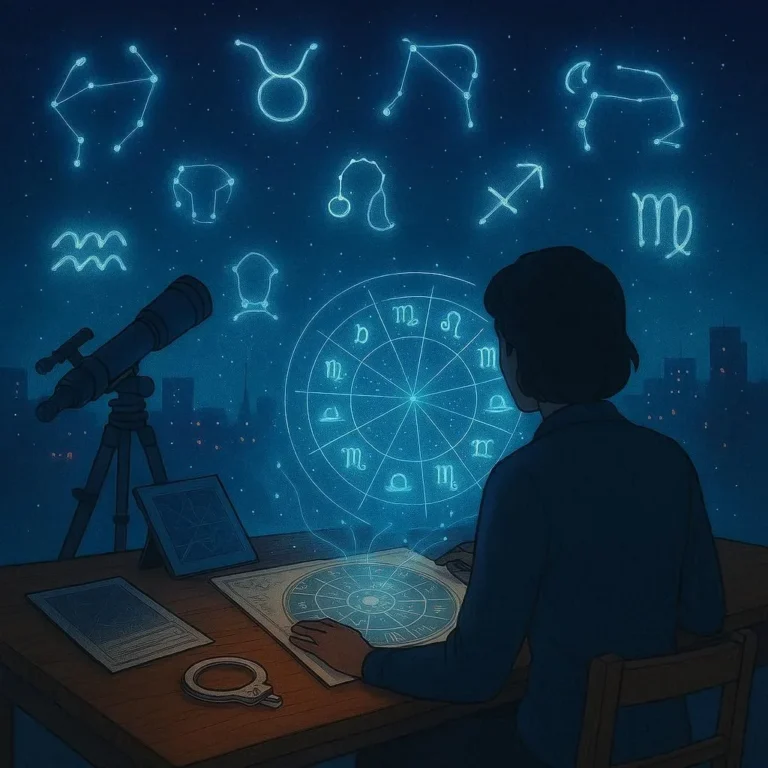
Astrologers use these astronomical datasets to construct natal charts, which map the sky at the exact moment of birth. By analyzing the angles between planets—known as aspects—practitioners can infer psychological traits, life cycles, and potential future events. The methodology, while symbolic, is grounded in the precise timing of celestial bodies, providing a structured framework that can be tested and refined.
2. Predictive Models: From Personal Forecasts to Societal Trends
Modern astrology has expanded beyond individual horoscopes to encompass broader societal forecasts. By aggregating planetary data across populations, astrologers can identify macro‑trends that may influence collective behavior. For example, the alignment of Jupiter and Saturn in 2025 is predicted by some to herald a period of significant technological innovation and economic restructuring. These forecasts are often cross‑referenced with data from the NASA database, which tracks solar cycles and space weather that can affect global communications and power grids.
Astrological charts are also used in market analysis, where traders look for planetary patterns that historically correlate with market volatility. While the efficacy of such methods remains debated, the integration of astrological insights with quantitative models demonstrates a growing trend toward interdisciplinary forecasting.
3. Psychological and Cultural Dimensions of Future Forecasting
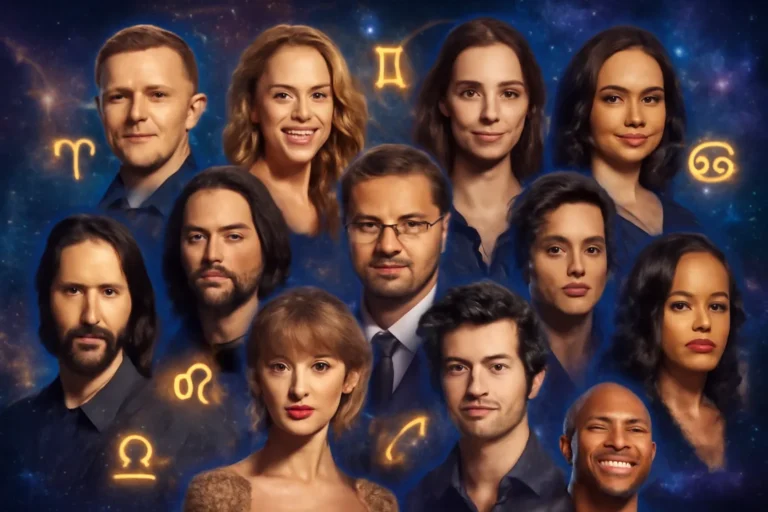
Beyond the numbers, astrology taps into deep psychological archetypes that resonate across cultures. The American Psychological Association acknowledges the role of narrative frameworks in shaping human perception. Astrological symbols—such as the Cancer crab or the Aries ram—serve as metaphors that help individuals process complex emotions and anticipate future challenges. By framing future possibilities in symbolic language, astrology can foster resilience and proactive planning.
In educational settings, universities like Harvard University have hosted interdisciplinary seminars that examine the cultural impact of astrology. These programs explore how astrological narratives influence decision‑making in fields ranging from medicine to environmental policy, underscoring the discipline’s relevance in contemporary discourse.
4. Ethical Considerations and Responsible Forecasting
As astrology gains traction in predictive contexts, ethical guidelines become paramount. Practitioners must balance the desire to provide guidance with the responsibility to avoid deterministic or harmful claims. Transparency about the probabilistic nature of predictions, coupled with clear communication of uncertainty, helps maintain trust. Additionally, astrologers should collaborate with experts in psychology, economics, and environmental science to ensure that forecasts are grounded in multidisciplinary evidence.
Responsible forecasting also involves acknowledging cultural diversity. Astrological traditions vary widely—from Western sun‑sign systems to Vedic and Chinese astrology—each offering unique lenses on future possibilities. By respecting these traditions and integrating them thoughtfully, astrologers can create inclusive, culturally sensitive predictions.
5. Practical Applications: Navigating Your Future with Astrological Insight
Whether you are an individual seeking personal growth or a business leader aiming to anticipate market shifts, astrology can provide a complementary perspective. Here are practical steps to incorporate astrological insight responsibly:
- Build a Personal Chart: Use reputable online tools or consult a certified astrologer to generate a natal chart that highlights key planetary placements.
- Track Planetary Cycles: Monitor major transits—such as Saturn return or Jupiter’s 12‑year cycle—to identify periods of transformation or opportunity.
- Integrate with Data Analytics: Combine astrological forecasts with quantitative data from industry reports, economic indicators, and environmental metrics.
- Maintain Ethical Standards: Communicate predictions as possibilities, not certainties, and provide context for uncertainty.
- Engage in Continuous Learning: Stay informed about new research linking celestial events to human behavior, and adjust your approach accordingly.
Conclusion: Embracing Future Possibilities with Insightful Balance
Astrology’s future possibilities are not confined to mystical predictions; they represent a dynamic intersection of astronomy, psychology, and cultural narrative. By grounding astrological practice in rigorous data, ethical transparency, and interdisciplinary collaboration, practitioners can offer meaningful guidance that empowers individuals and communities to navigate uncertainty with confidence. Whether you view the stars as symbolic guides or as data points in a complex system, the potential for astrology to illuminate future possibilities remains a compelling frontier for exploration.
Ready to explore your future possibilities? Connect with a certified astrologer today and start charting your path with confidence.
Frequently Asked Questions
Q1. How does astrology use scientific data to predict future events?
Astrology incorporates precise astronomical measurements of planetary positions, which are fed into complex algorithms to generate natal charts. By correlating these configurations with historical data, researchers identify patterns that suggest statistical relationships between celestial alignments and human behavior. While the symbolic interpretation remains, the underlying data is grounded in rigorous observation.
Q2. Can astrology inform personal growth or business decisions?
Yes, many practitioners use transits like Saturn returns or Jupiter cycles to highlight periods of transformation or opportunity. By integrating these insights with quantitative data—such as market reports or economic indicators—individuals and leaders can develop a more holistic decision‑making framework that balances intuition with evidence.
Q3. What ethical guidelines should astrologers follow when making predictions?
Ethical practice requires transparency about the probabilistic nature of forecasts, avoiding deterministic claims, and clearly communicating uncertainty. Astrologers should collaborate with experts in psychology, economics, and environmental science to ensure forecasts are evidence‑based and culturally sensitive.
Q4. How do cultural differences affect astrological interpretations?
Western, Vedic, and Chinese astrology each use distinct symbols and frameworks. Respecting these traditions and integrating them thoughtfully allows astrologers to create inclusive predictions that resonate across diverse audiences.
Q5. Is there scientific evidence linking planetary activity to societal trends?
Studies, such as those published in Nature, have explored correlations between solar activity and economic fluctuations. While causation remains debated, these findings provide a scientific lens through which to view astrological predictions and encourage interdisciplinary research.