Zodiac Signs Personality Traits Explained
In the world of astrology, understanding the unique qualities of each of the twelve Zodiac signs can provide valuable insight into why people behave the way they do. Whether you seek personal growth, relationship harmony, or simply a deeper appreciation for the patterns that shape our lives, exploring these personality traits offers a meaningful way to connect with yourself and others. This guide distills the core characteristics of every sign, backed by reputable sources, and offers practical tips for applying astrological wisdom in everyday life. By the end of this post, you’ll have a clear roadmap to navigate the diverse energies that define the Zodiac, and you’ll be ready to uncover how astrology can illuminate your path forward.
The Origin of Zodiac Personality Profiles
The concept of Zodiac signs traces back more than 2,500 years to ancient societies that mapped the heavens onto planetary motion. Scholars now agree that the original intent was observational: Zodiac signs were first categorized by the Sun’s position relative to constellations, a practice that evolved into what we recognize today as Western astrology. Modern practitioners combine celestial patterns with human temperament studies, leading to the personality frameworks widely used in contemporary horoscopes. The science of celestial mechanics—understood through the lens of reputable astronomy resources such as Planetary influence in astrology—paired with psychological insights reveals a compelling blend of nature and nurture. These intersections of science and experience shape the rich tapestry of traits associated with each sign.
Key Traits by Zodiac Sign
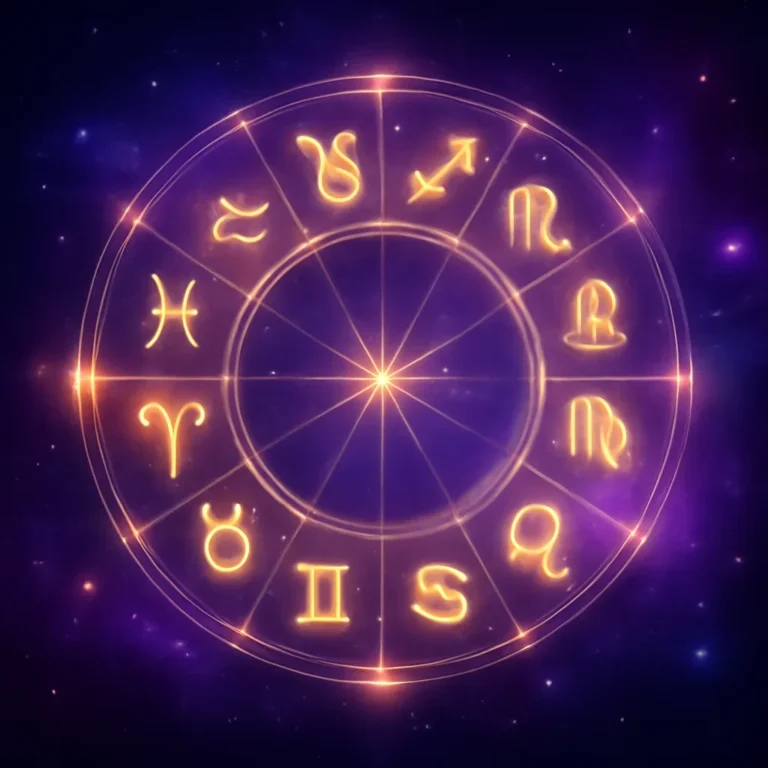
Below is a concise summary of the most defining traits for the twelve zodiac archetypes. Each personality profile blends stardust with tried‑and‑tested human behavior patterns.
- Aries (Marco‑29 – April 19) – Fiery, bold, and competitive. Aries thrives on adventure and benefits most from leadership roles.
- Taurus (April 20 – May 20) – Grounded, sensual, and steadfast. They value stability, and are generous when they feel safe.
- Gemini (May 21 – June 20) – Curious, social, and versatile. Gemini’s adaptability shines in dynamic conversations and learning.
- Cancer (June 21 – Jul 22) – Nurturing, protective, and emotionally attuned. They place deep importance on family bonds.
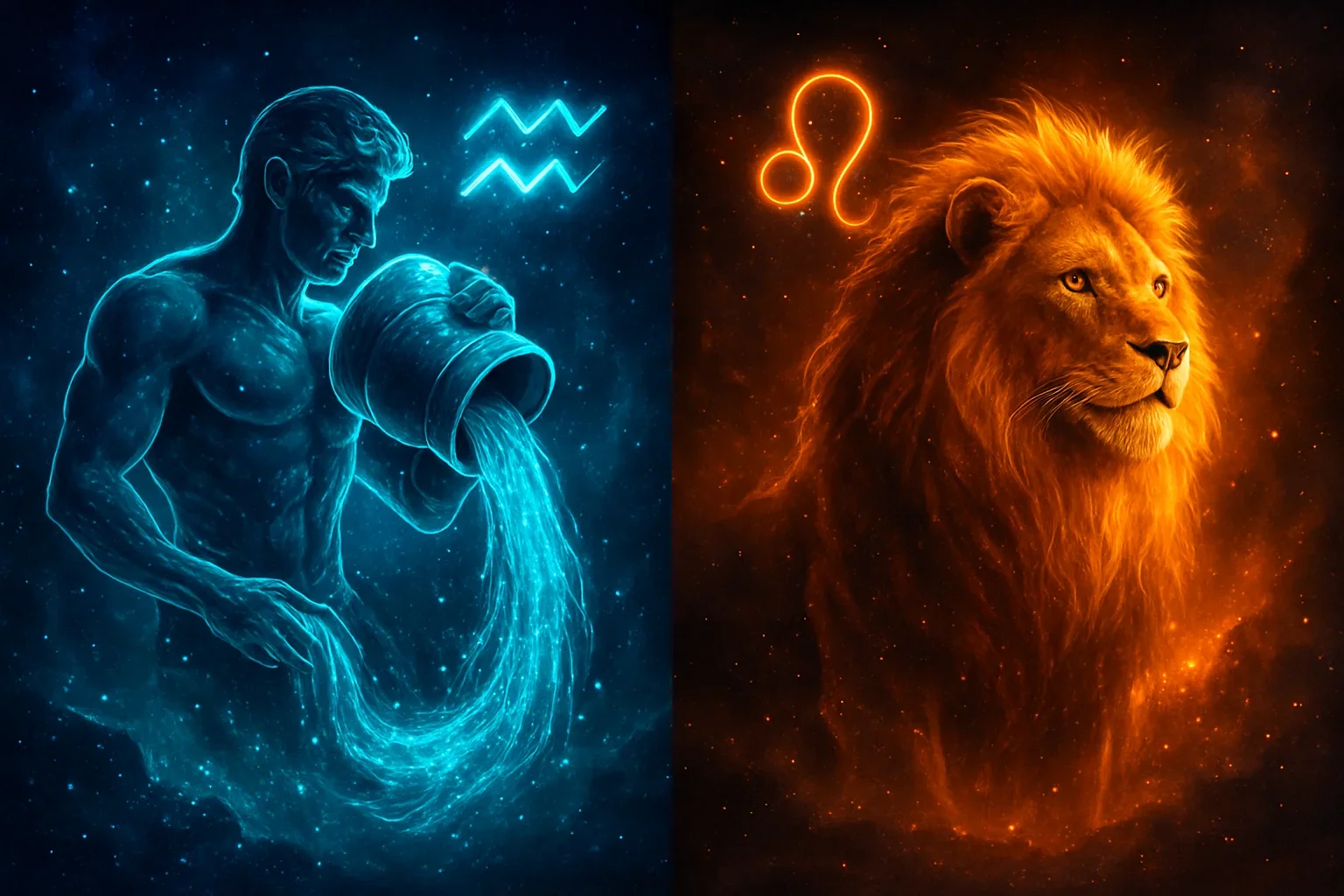
- Leo (Jul 23 – Aug 22) – Charismatic, generous, and proud. Leo’s confidence draws admiration and fosters community leadership.
- Virgo (Aug 23 – Sep 22) – Analytical, diligent, and precise. Virgos celebrate order and enjoy problem‑solving.
- Libra (Sep 23 – Oct 22) – Balanced, diplomatic, and elegant. Libras seek harmony and value artistic expression.
- Scorpio (Oct 23 – Nov 21) – Intense, intuitive, and determined. They draw energy from transformation and deep loyalty.
- Sagittarius (Nov 22 – Dec 21) – Optimistic, adventurous, and idealistic. Sagittarians love freedom and expansive horizons.
- Capricorn (Dec 22 – Jan 19) – Disciplined, realistic, and forward‑looking. Capricorns climb toward long‑term achievements.
- Aquarius (Jan 20 – Feb 18) – Innovative, humanitarian, and intellectual. Aquarians champion causes and forward thinking.
- Pisces (Feb 19 – Mar 20) – Compassionate, artistic, and dreamy. Pisces feel deeply and rely on imagination to heal.
Trait Patterns Across the Twelve Archetypes
While individual signs possess distinctive quirks, certain cross‑sign patterns emerge that shape broader human behavior narratives. For example, the fire signs (Aries, Leo, Sagittarius) display a shared passion for dynamic experiences, whereas the earth signs (Taurus, Virgo, Capricorn) exhibit a grounding motivation toward tangible achievements. Traditionally, the “air” (Gemini, Libra, Aquarius) and “water” (Cancer, Scorpio, Pisces) signs govern communication, emotional depth, and empathetic intuition, respectively. These elemental pairings help explain the compatibility dynamics that many people observe in relationships—both personal and professional.
Comparative Dynamics: Fire vs. Earth vs. Air vs. Water
The framework below offers a quick reference for relating sign energies, which can be crucial to predicting how personalities will interact, conflict, or cooperate.
- Fire (Aries, Leo, Sagittarius) – Thrive on change and excitement; may clash with Earth’s persistence.
- Earth (Taurus, Virgo, Capricorn) – Reliability, practicality; contrast against Air’s fluidity.
- Air (Gemini, Libra, Aquarius) – Curiosity, sociability; sometimes insufficient emotional depth for Water.
- Water (Cancer, Scorpio, Pisces) – Emotional sensitivity, intuition; may drift away from Earth’s structure.
Compatibility and Growth Through Astrological Insight
Compatibility is rooted in the resonances between sign traits. Lovers and colleagues often find success when pairing an “energetic” sign with a “grounded” one, creating a catalyst for balanced teamwork. Yet harmony can also arise when complementary elemental strengths offset each other—such as Air’s innovative ideas supported by Earth’s implementation. Crystallizing these dynamics can help individuals foster empathy, develop conflict resolution skills, and create more fluid communication.
To maximize personal growth, many astrologers recommend embracing both dominant strengths and latent weaknesses identified by your sign. By consciously working on areas that naturally feel uncomfortable—say, an Aries learning patience, or a Cancer honing assertiveness—you can cultivate a richer, more versatile character. Engaging with reputable horoscope resources and chart analyses offers a systematic approach to this ongoing development.
Some people search for a scientific foundation for their astrological interests. Although astronomy, as one of the natural sciences, does not validate personality prediction, it explains technical aspects of celestial mechanics, which form the backdrop for symbolic interpretations. The Western astrology field often cites planetary movement as the foundation for personality attribution, a perspective that is historically rooted yet remains inherently interpretive.
Practical Ways to Apply Zodiac Wisdom Today
- Use sign strengths as a motivational radar – e.g., a Leo can lead group projects.
- Identify potential conflicts before they arise by comparing elemental compatibilities.
- Celebrate your sign’s unique gifts in personal branding and entrepreneurship.
- Track a monthly horoscope to anticipate emotional peaks and troughs.
Whether you approach astrology as a fun curiosity or a serious guide, the personality chamber of the Zodiac offers a fascinating window into how celestial patterns echo in our own everyday lives.
Final Reflection and Call to Action
Understanding the intricacies of Zodiac signs through a blend of historical insight, psychological nuance, and practical application empowers you to navigate relational dynamics with confidence. Embrace the opportunity to align your actions with the archetypal energies that resonate most deeply within you. Ready to chart your personal astrology blueprint?
Frequently Asked Questions
Q1. What are the core personality traits associated with each Zodiac sign?
Each of the twelve Zodiac signs carries distinct characteristics rooted in astrological tradition and psychological research. For instance, Aries is known for bold initiative, while Cancer is deeply nurturing. Understanding these traits can help you identify strengths and potential growth areas. Everyday interactions often reflect these archetypal patterns.
Q2. How can I use Zodiac sign insights to improve relationships?
By recognizing complementary elements—such as pairing a fire sign’s enthusiasm with an earth sign’s stability—you can anticipate harmony or tension. Matching complementary strengths causes balanced teamwork, and awareness of natural conflicts can guide conflict resolution. Practitioners suggest aligning communication styles with elemental patterns for smoother interaction.
Q3. Does astrology have a scientific basis for personality prediction?
While astronomy explains celestial mechanics, astrology remains interpretive rather than empirically validated. Research often explores symbolic ties, yet the psychological impact of star signs on self‑concept exists. Most practitioners treat astrology as a reflective tool rather than a predictive science.
Q4. Which signs are most compatible in a partnership?
The guide points out that energetic signs paired with grounded ones often thrive. For example, a Leo (fire) and a Taurus (earth) can balance ambition with practicality. Compatibility depends on balancing complementary traits rather than strict elemental rules.
Q5. How can I incorporate Zodiac advice into my daily routine?
Start by identifying your sign’s strengths and schedule tasks that fit. Use monthly horoscopes to anticipate emotional peaks, and celebrate your sign’s unique gifts in personal branding. Small rituals such as mindful reflection or supportive journaling can align personal growth with astrological insight.