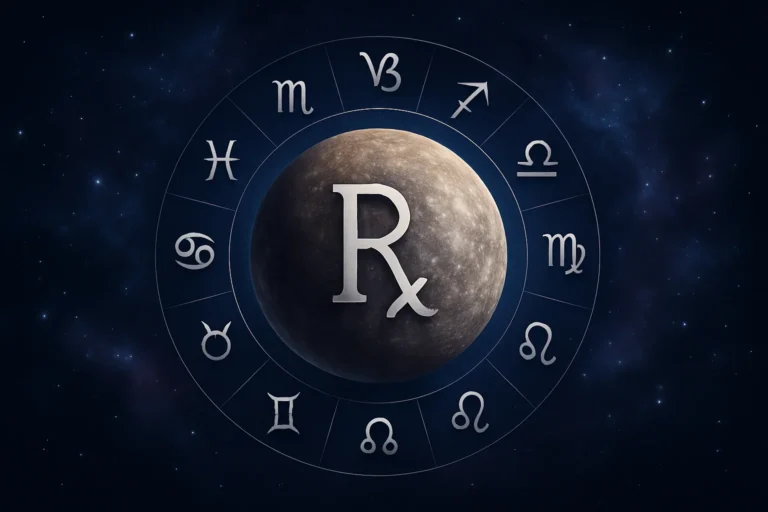
Understanding Astrological Houses Guide
Astrology enthusiasts often hear the term Astrological Houses but may not fully grasp how these twelve segments shape the narrative of a natal chart. Each house acts as a thematic container for planetary activity, linking zodiac signs to specific life areas such as relationships, career, and personal growth. By learning the distinct language of the houses, you can deepen your interpretation of the birth chart, uncover hidden motivations, and make more informed decisions. In this guide we will explore the purpose of the houses, their symbolism, and practical ways to apply house analysis in everyday astrological practice.
What Are the Astrological Houses?
The Astrological Houses are twelve equal sections of the sky, each anchored to the Earth’s rotation and the moment of birth. While the zodiac signs describe “what” energy is expressed, the houses describe “where” that energy manifests in life. The first house begins at the Ascendant (the eastern horizon) and the sequence continues counter‑clockwise around the chart. This structure mirrors the 24‑hour day, assigning each house to a particular set of experiences, from personal identity in the first house to spirituality in the twelfth.
How the Houses Relate to the Zodiac Signs
Every house can be occupied by any of the twelve zodiac signs, creating a nuanced blend of sign‑based personality traits and house‑based life themes. For example, if Mars resides in the fifth house of creativity while the sign of Gemini is on the cusp, the native may express a quick‑witted, versatile approach to artistic pursuits. Understanding this interplay is essential for a well‑rounded chart reading, as it reveals both the flavor of the energy (the sign) and its arena of expression (the house).
Overview of the Twelve Houses
Below is a concise reference for each house, its primary focus, and common planetary rulers. Use this list as a quick lookup when you encounter a planet placed in a particular house.
- 1st House – Self & Appearance: Personal identity, physical body, first impressions.
- 2nd House – Values & Possessions: Money, material assets, self‑worth.
- 3rd House – Communication: Siblings, learning, short trips, technology.
- 4th House – Home & Roots: Family background, domestic life, emotional foundation.
- 5th House – Creativity & Romance: Pleasure, children, artistic endeavors, love affairs.
- 6th House – Work & Health: Daily routines, service, wellness, employment.
- 7th House – Partnerships: Marriage, contracts, open enemies, collaborative ventures.
- 8th House – Transformation: Shared resources, sexuality, death, rebirth.
- 9th House – Philosophy & Travel: Higher education, belief systems, long journeys.
- 10th House – Career & Public Image: Reputation, authority, life direction.
- 11th House – Community: Friends, groups, aspirations, humanitarian causes.
- 12th House – Subconscious: Secrets, spirituality, solitude, hidden enemies.
Interpreting Planetary Placements in the Houses
When a planet occupies a house, its energy is filtered through that house’s theme. Here are three classic examples:
- Sun in the 10th House: A strong drive for achievement, public recognition, and leadership. The individual often seeks a career that aligns with personal identity.
- Venus in the 7th House: A natural affinity for partnerships, love, and harmonious contracts. Relationships become a central source of joy and aesthetic expression.
- Saturn in the 4th House: Potential challenges in early home life, a need for emotional discipline, and a later‑in‑life emphasis on building a stable domestic foundation.
Note that the sign on the house cusp also colors the expression; a Capricorn‑ruled 4th house, for instance, may manifest as a disciplined, structured home environment.
Transits, Progressions, and the Houses
Beyond natal placements, the houses serve as a roadmap for predictive techniques such as transits and secondary progressions. When a fast‑moving planet like Mercury transits the 3rd house, you might notice a surge in communication activities, short trips, or new learning opportunities. Slower bodies—Uranus, Neptune, Pluto—often signal deeper, generational shifts when they activate a particular house in a chart. Monitoring these movements helps astrologers advise clients on timing, potential challenges, and periods of growth.
Practical Tips for Using Houses in Your Readings
To integrate house analysis effectively, follow these steps:
- Identify the house where each planet resides and note the sign on the house cusp.
- Consider the house ruler (the planet that rules the cusp sign) and its placement in the chart.
- Look for aspects between planets and house rulers, as they modify the house’s expression.
- Use the house list as a quick reference during consultations, especially for beginners.
- Cross‑check transiting planets with the natal house positions to pinpoint active life areas.
Applying these methods will increase the accuracy of your interpretations and deepen the connection you feel with each client’s personal narrative.
Further Reading and Authoritative Sources
For those who wish to explore the topic in more depth, the following resources provide solid, research‑backed information:
- Wikipedia: Astrology
- Wikipedia: Natal chart
- Astrology.com: House Meanings
- Astronomy Now: Astrology Overview
Conclusion
Mastering the Astrological Houses is essential for any serious student of the natal chart. By recognizing how each house frames planetary energy, you unlock a richer, more precise story about identity, purpose, and destiny. Incorporate the house meanings, sign cusps, and planetary rulers into every reading, and watch your interpretive confidence soar. Ready to apply this knowledge to your own birth chart? Start your personalized house analysis today and experience the transformative power of astrology.
Frequently Asked Questions
Q1. What are Astrological Houses and why are they important?
Astrological Houses are twelve segments of the sky that map the areas of life where planetary energies play out. Each house represents a specific life theme, such as identity, wealth, or relationships. By knowing which house a planet occupies, you can see where its influence is felt most strongly in a natal chart.
Q2. How do the zodiac signs interact with the houses?
The sign on a house cusp adds its characteristic flavor to the house’s theme, while the planet inside the house provides the energy. This combination tells you both what kind of expression (sign) and where it shows up (house).
Q3. Can I use house meanings for predictive astrology?
Yes. Transits and progressions that move through a particular house highlight the life areas activated at that time, helping you anticipate opportunities or challenges.
Q4. What is the role of the house ruler in a chart reading?
The house ruler is the planet that governs the sign on the house’s cusp. Its placement and aspects reveal how the house’s energy is expressed and any extra nuances.
Q5. How do I start interpreting my own birth chart’s houses?
Begin by noting each planet’s house placement, the sign on each cusp, and the house ruler’s position. Then connect the house themes to your life experiences for a clearer, personalized picture.