Astrology Destiny Guide Indian Chinese
In today’s fast‑moving world, many people turn to the stars for guidance, hoping to uncover hidden truths about their future. The Astrology Destiny Guide offers a comprehensive look at two of the most influential systems: the Indian zodiac and the Chinese zodiac. By exploring how each tradition interprets destiny, you can gain a richer, more nuanced understanding of your path and the people around you.
Understanding Indian Zodiac
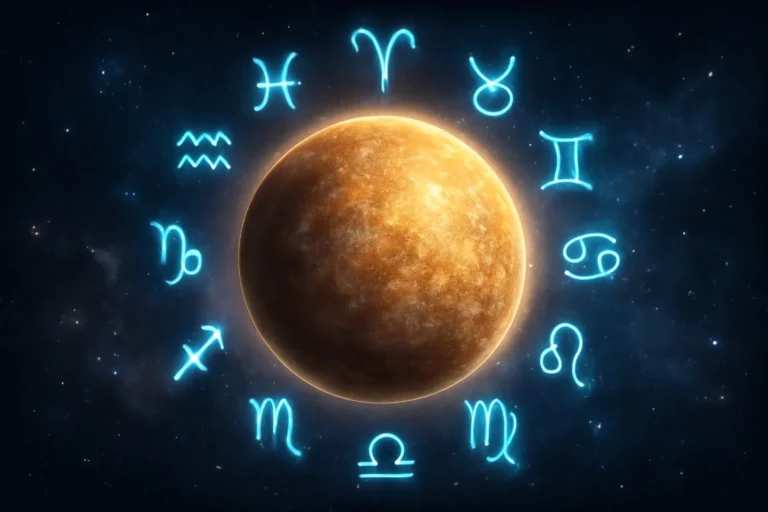
The Indian zodiac, also known as the Vedic or Jyotish system, is rooted in ancient Sanskrit texts and celestial calculations that date back over 5,000 years. Unlike the tropical zodiac used in Western astrology, the Vedic system relies on the sidereal zodiac, which aligns more closely with the actual positions of the constellations. This subtle difference gives the Indian zodiac a distinct flavor, often producing more precise predictions for life events, health, and relationships.
Key elements of the Indian zodiac include:
- Rashi (Moon Sign) – The sign the Moon occupies at birth, considered the most personal indicator of one’s emotional nature.
- Laghu (Ascendant) – The sign rising on the eastern horizon at birth, shaping outward behavior and physical appearance.
- Planetary Periods (Dashas) – Cycles that determine the timing of major life changes.
For a deeper dive into the Vedic system, consult the Wikipedia entry on Vedic astrology, which provides a thorough overview of its principles and history.
Decoding Chinese Zodiac
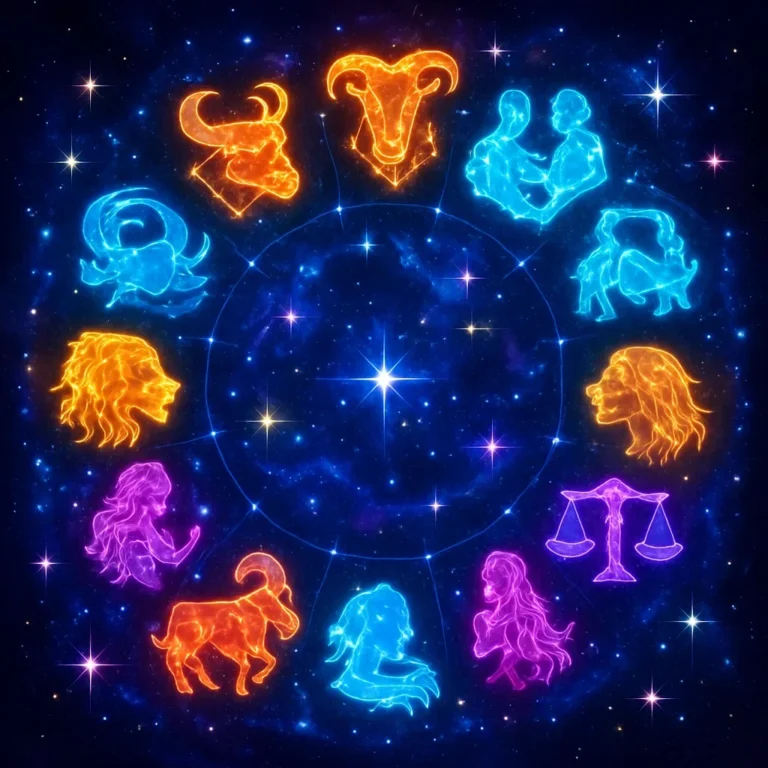
The Chinese zodiac is a 12‑year cycle, each year represented by an animal and associated with one of five elements: Wood, Fire, Earth, Metal, or Water. This system is deeply intertwined with Chinese philosophy, particularly the concepts of Yin and Yang and the Five Elements theory. Each animal sign carries specific traits that influence personality, career, and compatibility.
Here are the 12 Chinese zodiac signs in order:
- Rat
- Ox
- Tiger
- Rabbit
- Dragon
- Snake
- Horse
- Goat
- Monkey
- Rooster
- Dog
- Pig
To explore the cultural significance and detailed characteristics of each sign, visit the Wikipedia page on the Chinese zodiac.
Comparing Destiny Paths
While both systems aim to illuminate destiny, they differ in methodology and emphasis. The Indian zodiac focuses on the Moon’s position and planetary influences, offering a highly individualized map of inner life. The Chinese zodiac, on the other hand, emphasizes the year of birth and elemental interactions, providing broader cultural insights.
When used together, these systems can complement each other. For instance, a person born in the Year of the Dragon (a powerful, ambitious sign) with a Moon in Cancer (emotional, nurturing) may experience a unique blend of drive and sensitivity. By cross‑referencing both charts, you can identify potential strengths and challenges that might not be apparent when looking at a single system.
Compatibility and Relationships
Astrology compatibility is a popular topic, especially when planning marriages or business partnerships. In the Indian zodiac, compatibility is often assessed through the Guna Milan system, which compares the birth charts of two individuals. In the Chinese zodiac, compatibility is determined by the interaction between the two animal signs and their elements.
Common compatibility pairings include:
- Rat & Ox – complementary work ethic and shared values.
- Dragon & Monkey – dynamic, adventurous, but may clash over control.
- Snake & Goat – intellectual harmony and mutual respect.
For a comprehensive guide on Chinese zodiac compatibility, see the Britannica article on the Chinese zodiac, which offers detailed explanations of each pairing.
Practical Tips for Using Both Systems
1. Build a Dual Chart – Start by creating both your Vedic and Chinese charts. Many online tools can generate these quickly, but for accuracy, consult a certified astrologer.
2. Identify Overlapping Themes – Look for recurring traits, such as leadership or creativity, that appear in both systems. These are likely to be strong aspects of your destiny.
3. Plan Major Life Events – Use planetary periods (Dashas) to time career moves, while aligning with favorable Chinese zodiac years for marriage or travel.
4. Seek Balance – If your Indian chart indicates a need for emotional stability but your Chinese chart suggests a bold, risk‑taking nature, find ways to integrate both, such as pursuing a career that allows creative expression while maintaining a supportive home life.
5. Stay Informed – Keep up with reputable astrology resources. The Astro.com website offers a wealth of articles and tools for both Western and Vedic astrology.
Conclusion: Embrace Your Destiny
By weaving together the insights of the Indian and Chinese zodiac, you unlock a richer tapestry of destiny. Whether you’re charting a career path, seeking a compatible partner, or simply curious about your inner strengths, this Astrology Destiny Guide equips you with the knowledge to navigate life’s twists and turns with confidence.
Take the next step: discover your dual destiny today and start living the life your stars have planned for you.
Frequently Asked Questions
Q1. What is the difference between the Indian and Chinese zodiac systems?
The Indian (Vedic) zodiac focuses on the Moon’s position, sidereal calculations, and planetary periods (Dashas) to provide a highly individualized map of inner life. In contrast, the Chinese zodiac uses a 12‑year animal cycle combined with five elements to offer broader cultural insights based on the year of birth. While Vedic astrology emphasizes personal destiny and timing, Chinese astrology highlights personality traits, compatibility, and generational trends.
Q2. How can I create a dual chart that includes both Vedic and Chinese zodiacs?
Start by entering your birth details into an online Vedic chart generator to obtain your Rashi, Laghu, and Dasha periods. Then use a Chinese zodiac calculator to determine your animal sign and element. Many astrology websites provide both tools, but for precise results, consult a certified Vedic astrologer and a Chinese astrology expert.
Q3. Which Chinese zodiac signs are most compatible with each other?
Commonly cited pairings include Rat & Ox, Dragon & Monkey, and Snake & Goat, each offering complementary traits such as shared work ethic, adventurous spirit, or intellectual harmony. Compatibility also depends on the elements associated with each sign, which can strengthen or weaken the relationship. For a detailed breakdown, refer to reputable astrology resources or consult a professional.
Q4. How do planetary periods (Dashas) influence my life events?
Dashas are time cycles governed by specific planets that dictate when major life changes are likely to occur. By aligning career moves, relationships, or health decisions with favorable Dasha periods, you can increase the chances of success and reduce potential obstacles. Tracking your Dasha schedule helps you plan strategically and stay in sync with cosmic rhythms.
Q5. Can I use both Indian and Chinese astrology for business decisions?
Yes, combining insights from both systems can provide a comprehensive view of timing, partner compatibility, and market trends. Vedic Dashas can guide optimal launch dates, while Chinese zodiac elements can inform team dynamics and client relationships. Using both frameworks together offers a balanced approach to strategic planning.