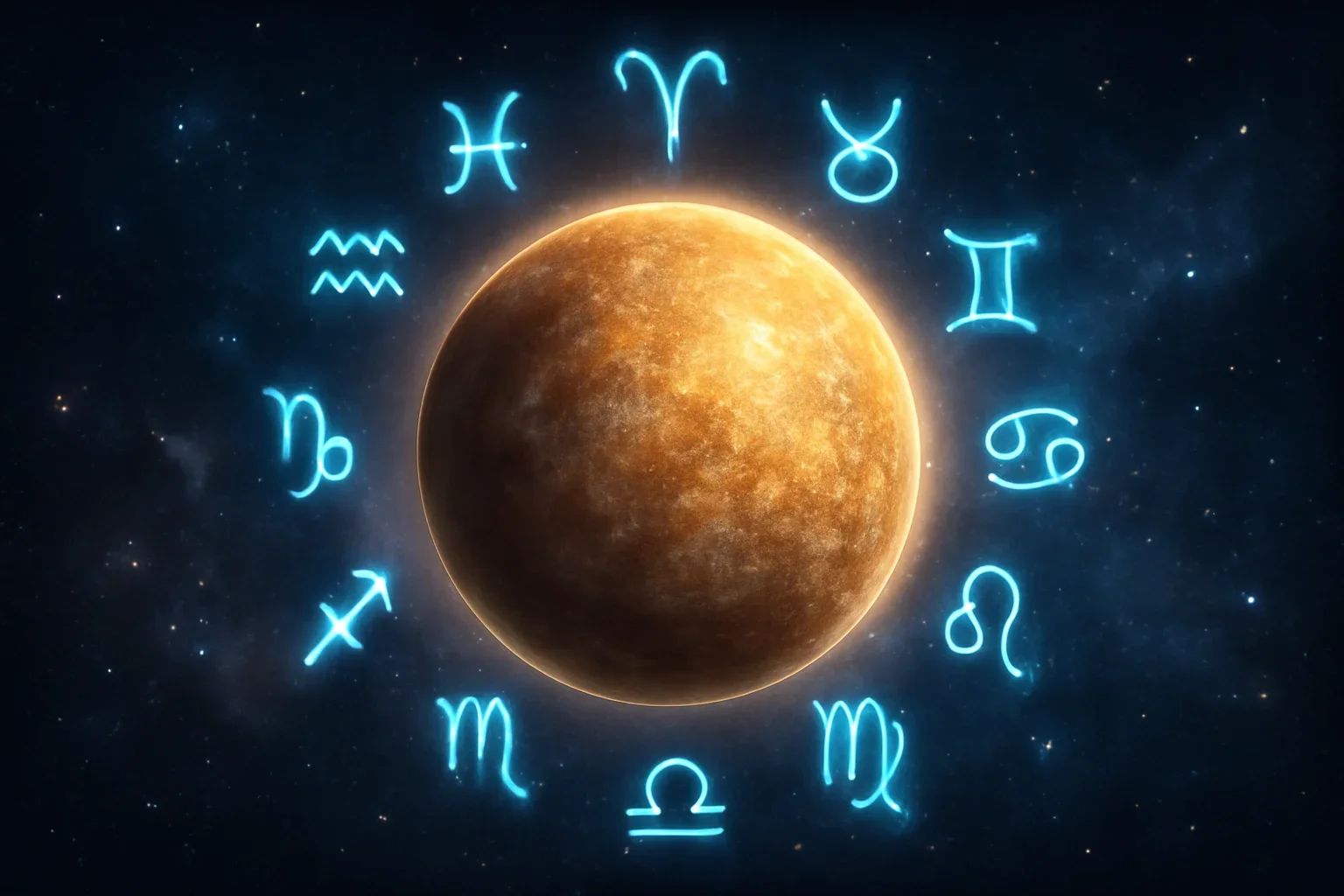
Indian Horoscope And Chinese Zodiac
In the vibrant tapestry of Eastern astrology, the Indian Horoscope and the Chinese Zodiac are two pillars that guide millions toward understanding their destiny, personality, and life path. While each system has its own origins, symbols, and methodologies, they share a common goal: to illuminate the hidden patterns that shape our lives. By exploring how these two traditions intersect, we can unlock a richer, more nuanced destiny map that blends the precision of Vedic calculations with the cyclical wisdom of the Chinese lunar calendar.
Indian Horoscope: Foundations of Destiny
The Indian Horoscope, also known as Vedic astrology or Jyotish, is rooted in ancient Sanskrit texts such as the Indian Astrology canon. It relies on the exact time, date, and place of birth to calculate a birth chart, or Janam Kundali, which maps the positions of the Sun, Moon, and 27 lunar mansions (Nakshatras). These celestial placements are interpreted to reveal a person’s strengths, challenges, and karmic lessons. Unlike Western astrology’s sun-sign focus, Vedic charts emphasize planetary periods (Dashas) that predict life phases with remarkable accuracy.
Key elements of an Indian Horoscope include:
- Rashi (Moon Sign) – The zodiac sign the Moon occupies at birth, indicating emotional nature.
- Ascendant (Lagna) – The sign rising on the eastern horizon, shaping outward personality.
- Planetary Dasha – Sequential planetary periods that dictate timing of events.
- Navamsa Chart – A divisional chart used for marriage compatibility and deeper insights.
These components together form a dynamic destiny map that can guide decisions in career, relationships, and health.
Indian Horoscope and Chinese Zodiac: A Dual Map
While the Indian Horoscope focuses on planetary geometry, the Chinese Zodiac assigns each year to one of 12 animal signs, each paired with one of five elements (Wood, Fire, Earth, Metal, Water). The cycle repeats every 60 years, creating a complex matrix of personality traits and compatibility. By overlaying the two systems, astrologers can create a composite destiny map that offers a more holistic view of an individual’s life.
For example, a person born in 1988 is a Dragon in the Chinese Zodiac and may have a Leo ascendant in Vedic astrology. The Dragon’s fiery ambition aligns with Leo’s regal confidence, suggesting a natural inclination toward leadership. However, the Dragon’s tendency toward impatience may clash with the Vedic Moon sign’s need for emotional stability, highlighting a potential area for growth.
Researchers at the Britannica Chinese Zodiac archive note that such cross-cultural analyses can improve predictive accuracy by accounting for both planetary and elemental influences. By integrating these layers, individuals gain a more nuanced understanding of their destiny.
Indian Horoscope Compatibility Insights
Compatibility, or Guna Milan, is a cornerstone of Vedic marriage counseling. The Indian Horoscope uses a 36-point system to evaluate how well two charts align. When combined with the Chinese Zodiac’s 12-animal compatibility matrix, couples can assess both cosmic and cultural harmony.
Key compatibility factors include:
- Sun Sign Alignment – Shared or complementary signs can foster mutual respect.
- Elemental Balance – Matching elements (e.g., Wood and Fire) can create dynamic synergy.
- Planetary Dasha Overlap – Synchronized planetary periods may lead to shared life milestones.
- Animal Sign Pairing – Certain animal combinations (e.g., Rat and Dragon) are traditionally considered auspicious.
By evaluating these dimensions, couples can anticipate potential challenges and celebrate strengths, leading to more resilient relationships.
Indian Horoscope and Chinese Zodiac: Practical Applications
Beyond personal insight, the combined destiny map offers practical tools for everyday decision-making. Here are some actionable ways to apply this dual wisdom:
- Career Timing – Use planetary Dashas to identify optimal periods for promotions or new ventures, while considering the Chinese Zodiac’s element that aligns with your industry.
- Health Planning – Vedic charts highlight bodily vulnerabilities; the Chinese Zodiac’s animal traits can suggest suitable lifestyle adjustments.
- Financial Forecasting – Align investment decisions with favorable planetary periods and the auspiciousness of your animal sign.
- Spiritual Growth – Combine meditation practices recommended by Vedic astrology with the symbolic meanings of your Chinese animal to deepen self-awareness.
Astrologers often use online tools such as Astro.com to generate detailed charts quickly. These platforms allow users to overlay Vedic and Chinese data, providing a comprehensive destiny map that can be referenced throughout life.
Conclusion: Embrace Your Destiny Map Today
By weaving together the precision of the Indian Horoscope with the cyclical depth of the Chinese Zodiac, you gain a powerful destiny map that speaks to both the stars and the earth. Whether you seek guidance in love, career, or personal growth, this dual approach offers clarity, confidence, and a deeper connection to your true path.
Ready to explore your destiny? Book a personalized reading with a certified Vedic astrologer today and unlock the full potential of your combined horoscope and zodiac map.
Frequently Asked Questions
\n
Q1. What is the difference between Indian Horoscope and Chinese Zodiac?
Indian Horoscope, also known as Vedic astrology, focuses on planetary positions at birth and uses detailed calculations like Dashas. The Chinese Zodiac assigns each year to an animal sign and element, creating a 60‑year cycle. While Vedic charts are individualized, the Chinese system is based on birth year only. Together they offer complementary insights into personality and destiny. They differ in methodology but share the goal of guiding life decisions.
\n
Q2. How can I combine both systems for a more accurate reading?
Start by generating a Vedic birth chart to identify your Rashi, Lagna, and Dashas. Then determine your Chinese animal and element from your birth year. Overlay the two charts to see where strengths align or conflict. Many online tools allow simultaneous display of both systems. Consulting a practitioner can help interpret the combined data.
\n
Q3. What are the key compatibility factors in Vedic astrology?
Vedic compatibility uses the 36‑point Guna Milan system, evaluating Sun, Moon, and planetary positions. It also considers the Navamsa chart for marital prospects. Compatibility is measured by matching signs, elements, and planetary strengths. A high Guna score indicates harmonious relationships. Couples often review both charts for a comprehensive view.
\n
Q4. Can the Chinese Zodiac influence my career choices?
Yes, each animal and element is associated with certain professions. For example, Dragons thrive in leadership roles, while Rabbits excel in creative fields. Aligning your career with your zodiac can enhance success. Vedic Dashas also suggest optimal timing for career moves. Combining both can guide strategic decisions.
\n
Q5. Where can I find a reliable online tool to generate both charts?
Astro.com offers a Vedic chart generator and a separate Chinese Zodiac calculator. Other sites like AstroSeek and Astrodienst provide dual‑system tools. Ensure the site uses accurate ephemeris data. Many platforms allow you to overlay both charts for comparison. Always verify the settings before finalizing.
\n
Related Articles
\n
- \n
- Understanding Vedic Astrology
- The Chinese Zodiac Explained
- How to Read Your Indian Horoscope
- Compatibility in Vedic Astrology
- Integrating Chinese Zodiac with Vedic Astrology
\n
\n
\n
\n
\n
\n