Spiritual Growth Through Astrology
Spiritual growth through astrology is more than a curiosity; it is a structured pathway that aligns planetary symbolism with inner development. When the night sky mirrors our inner landscape, the birth chart becomes a map for conscious evolution, inviting the seeker to translate celestial cycles into practical steps toward greater self‑awareness. This article explores how the language of the zodiac, the timing of planetary transits, and the reflective practice of chart analysis can foster authentic spiritual growth.
Understanding the Astrological Blueprint
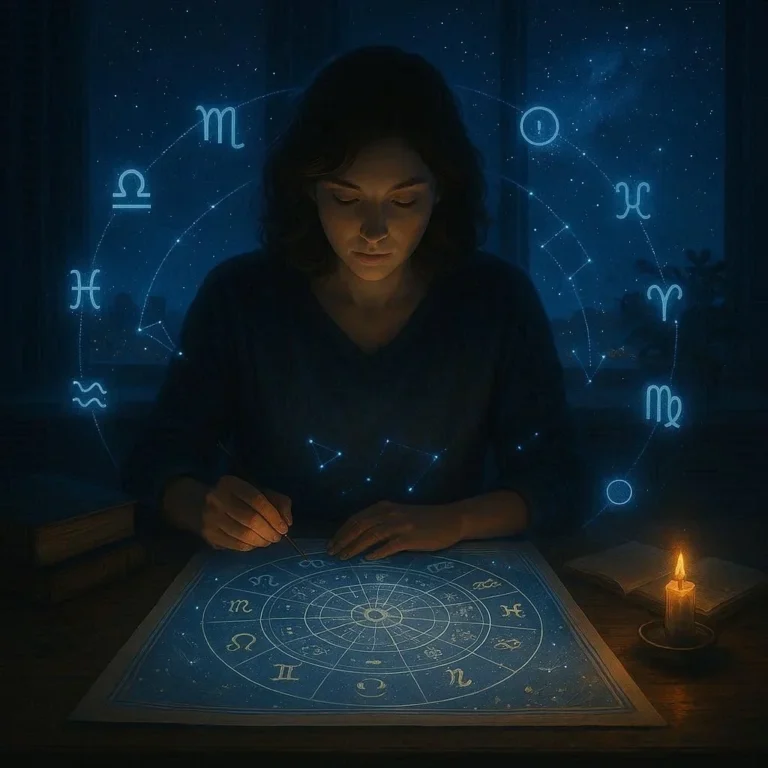
The natal chart is the foundational document for any spiritual work rooted in astrology. By mapping the positions of the Sun, Moon, planets, and angular points at the moment of birth, the chart reveals the innate gifts, challenges, and karmic themes that shape a soul’s journey.1 Each sign and house carries a distinct energetic flavor, while planetary aspects illustrate how these energies interact. Recognizing this blueprint allows the individual to honor their inherent strengths and address unconscious patterns, turning astrology into a compassionate mirror rather than a deterministic dictate.
Key Concepts for Spiritual Development
To translate astrological data into spiritual practice, focus on a few core concepts:
- Sun Sign: Represents core identity and the conscious purpose that the soul seeks to embody.
- Moon Sign: Reveals emotional needs and the subconscious rhythms that nurture or impede growth.
- North Node: Indicates the evolutionary direction the soul is encouraged to pursue in this lifetime.
- Saturn Return (≈29.5 years): Marks a period of significant restructuring, often prompting deep spiritual reassessment.
By meditating on these points, practitioners can align daily actions with the larger cosmic narrative, cultivating a sense of purpose that feels both personal and universal.
Integrating Planetary Transits into Daily Mindfulness
Planetary transits are the moving currents that activate the chart’s static symbols. When a transit touches a natal planet or point, it creates a window of heightened awareness. For example, a transit of Jupiter over the natal Moon can expand emotional generosity, while a Mars square to Venus may surface tension in relationships that calls for mindful boundary work.
To use transits for spiritual growth, follow these steps:
- Identify the active transit in your chart using a reliable online ephemeris or software.
- Reflect on the themes of the involved planets (e.g., Jupiter = expansion, Saturn = discipline).
- Set a specific intention that aligns with the transit’s energy, such as “I will practice gratitude during this Jupiter‑Moon activation.”
- Journal daily observations, noting shifts in mood, insight, or behavior.
Repeating this process trains the mind to stay present with cosmic rhythms, turning astrology into a lived meditation rather than a passive curiosity.
Healing Past Patterns with Retrograde Awareness
Retrograde planets appear to move backward from Earth’s perspective, symbolizing internal review and revision. Mercury retrograde, for instance, is famous for communication glitches, but on a deeper level it invites us to revisit unresolved thoughts and statements. By consciously slowing down during retrograde periods, we can bring hidden emotions to the surface, process them, and integrate the lessons more fully.2
Practical retrograde practices include:
- Re‑reading spiritual texts or journal entries.
- Re‑visiting relationships with a fresh perspective.
- Avoiding major contractual commitments and instead focusing on inner clarification.
When aligned with a strong intention, retrogrades become powerful catalysts for inner repair, allowing the soul to shed old skins and emerge more authentic.
Connecting Astrology with Established Spiritual Traditions
Astrology is not an isolated system; it resonates with many established spiritual paths. For instance, the concept of the ‘inner light’ in Buddhism mirrors the Sun’s role as the core self‑expression in a chart. Similarly, the Hindu tradition of Jyotisha treats planetary cycles as divine teachers, each offering specific lessons for moksha (spiritual liberation). By studying these cross‑cultural connections, seekers can deepen the meaning of their astrological work and integrate it into broader practices such as mindfulness, yoga, or contemplative prayer.
Scholarly resources that discuss these intersections include the Wikipedia entry on astrology, the Encyclopaedia Britannica overview, and the academic paper on “Astrology and Spirituality” hosted by the University of California (UC Press). For a governmental perspective on the scientific study of celestial influences, see the NASA Observatory mission page.
Crafting a Personal Astrological Practice
Developing a sustainable spiritual routine around astrology requires consistency and clarity. Below is a suggested weekly structure:
- Monday – Chart Review: Spend 10 minutes examining your natal chart’s key points.
- Wednesday – Transit Check: Identify one major transit and set a mindful intention.
- Friday – Meditation: Focus on a planetary archetype (e.g., Venus for love) while breathing.
- Sunday – Journaling: Record insights, emotions, and any synchronicities experienced.
This rhythm creates a feedback loop: observation, intention, practice, and reflection. Over months, patterns emerge, revealing how specific planetary energies amplify or soften particular life themes.
Conclusion
Spiritual growth through astrology offers a uniquely integrative roadmap that balances cosmic symbolism with tangible inner work. By honoring the natal blueprint, harnessing transits, respecting retrograde cycles, and linking astrological insight to broader spiritual traditions, seekers can cultivate a richer, more purposeful life.
Ready to deepen your journey? Explore your birth chart today, set a clear intention for the next planetary transit, and experience the transformative power of spiritual growth through astrology. Subscribe for weekly astrological insights and start your path to conscious evolution now.
Frequently Asked Questions
Q1. What is spiritual growth through astrology?
Spiritual growth through astrology is the process of using the symbols of the sky—planets, signs, houses—to mirror and deepen inner development. By viewing the natal chart as a map of the soul’s potentials, seekers can consciously work with innate gifts and challenges. This practice turns astrological insight into a practical meditation for self‑awareness and evolution.
Q2. How can I use my natal chart for personal development?
Start by identifying the Sun, Moon, and North Node to understand core identity, emotional needs, and life direction. Then examine planetary aspects that reveal recurring patterns, using them as focal points for intentional work. Regularly revisiting the chart helps translate celestial symbols into everyday growth.
Q3. What role do planetary transits play in spiritual practice?
Transits activate the static points in your natal chart, creating windows of heightened awareness. By aligning intentions with the energy of a transit—such as gratitude during a Jupiter‑Moon activation—you turn cosmic movement into a mindfulness exercise. Journaling the experience deepens the integration of lesson and feeling.
Q4. How should I work with retrograde periods for inner healing?
Retrogrades signal a time for internal review. Slow down, revisit past writings, relationships, or unresolved thoughts, and set clear intentions to process what surfaces. This reflective approach turns potential frustration into an opportunity for deep emotional integration.
Q5. Can astrology be integrated with other spiritual traditions?
Yes; many paths already echo astrological themes. The Sun’s role mirrors the Buddhist concept of inner light, while Hindu Jyotisha treats planets as teachers for moksha. By studying these parallels, you can weave astrological practice into meditation, yoga, or contemplative prayer for a richer spiritual life.