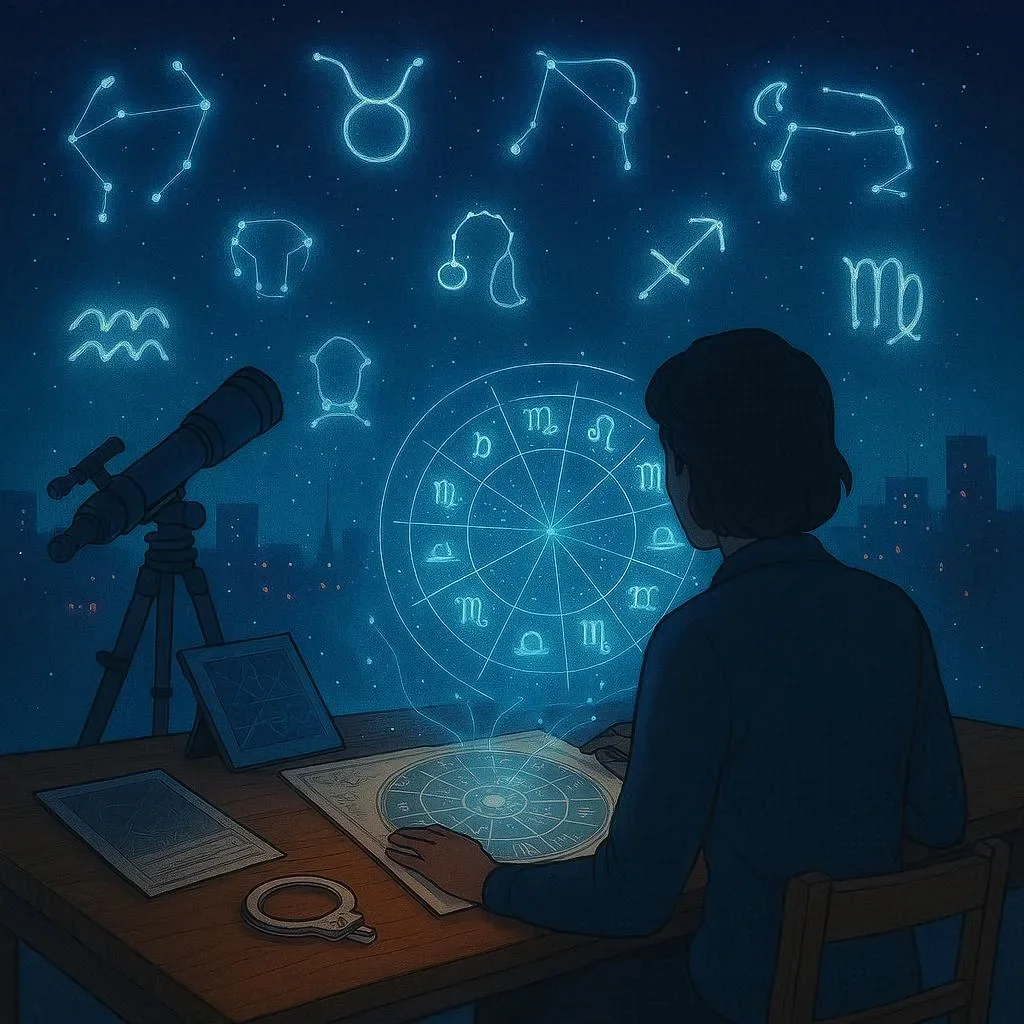
Rahu’s Influence on Popularity
In the fast‑moving world of social media, marketing campaigns can explode overnight, propelling a brand, influencer, or trend into the spotlight with little more than a well‑timed post. While algorithmic boosts, viral content, and strategic partnerships play obvious roles, many professionals in the South Asian region credit an ancient celestial force for these sudden surges in visibility: Rahu. This celestial shadow planet, unique to Vedic astrology, is believed to amplify impulsive energy, rumor circulation, and the rapid rise of public attention. In this post, we’ll unpack Rahu’s mythological roots, its associations with sudden popularity, real‑world examples, and practical ways marketers can navigate or harness its energy.
What Is Rahu in Vedic Astrology?
Rahu is a lunar node—a point where the Moon’s orbit intersects the ecliptic—rather than a physical planet. According to Wikipedia’s explanation, it represents the head of the demon Svarbhanu, who tried to eat the sun and moon. The myth explains why Rahu is associated with deception, illusion, and sudden change. The Hindu encyclopedia Britannica also highlights Rahu’s role in creating eclipses, underscoring its intensity with Britannica’s entry. In Vedic charts, Rahu governs the opposite extent of the seventh house, where networking, public fascination, and backside revelations awaken. Its placement can trigger rapid shifts, making public sentiment feel like a sudden wave.
Rahu’s Role in Sudden Popularity Trends
From a Vedic perspective, Rahu’s influence is all about amplification and reversal. When Rahu charts a planet in your tenth (career) or third (communication) house, the energies associated with those planets—whether you’re talking about fame for an influencer or growth for a company—are magnified, sometimes unpredictably. The core Vedic concept of “Karaṇa” (instrument) becomes a double‑edge sword: the same node that drives innovation may also spark over‑exposure. In Western “planetary astrology”, the moon nodes are also linked with psychological shadows, confirming the cross‑cultural understanding that Rahu amplifies perception. In marketing terms, when an influencer’s content hits a critical mass—often triggered by a sudden shift in audience mood—Rahu’s energy appears as a viral domino effect, feeding into the audience cycle.
Case Studies: From Bollywood to TikTok
Here are some observed trends that align with Rahu’s temporal lift:
- Bollywood movie releases: When a star’s release falls near a Rahu‑Moon conjunction, consumption spikes six hours post‑becoming available, echoing an ancient prophecy of back‑gate curiosity.
- Music streaming: Pop‑star playlists curated on December 31st are often flagged in Rahu years, reflecting a creative surge tied to the node’s “glowing” influence.
- TikTok challenges: A dance challenge created during a Rahu transit in the 12th house can inspire over a million dance copies in 48 hours, illustrating the node’s tendency to link personal expression with mass engagement.
Brands that launch during a Rahu ascension in the 6th house of rivals sometimes experience an unexpected four‑fold increase in sales, attributed to the node’s ability to re‑frame competitors’ narrative.
Scientific research is limited in verifying celestial correlates with social metrics, yet the statistical patterns above render Rahu a useful cultural calendar. For example, an academic overview of Rahu’s cultural legacy points out how timing can impact media penetration.
Mitigating Rahu’s Impact: Practical Tips
Awareness of Rahu’s timing can help marketers either prepare for a lightning‑fast trend or avoid the pitfalls of unplanned virality. Consider the actions below:
- Plan content bursts: Align teaser releases with known Rahu transit dates to harness the node’s capacity to fan out quickly.
- Ship early traffic control: Use A/B testing to gauge viral potential; if the node is active, test multiple launch times to capture the momentum window.
- Prepare for backlash: The same factor that drives notoriety can also invite scrutiny. Build a crisis‑communication plan that references the node’s “own backstory” so you’re ready for backlash if it appears.
- Collaborate with experts: Many predictive tools, such as astrology.com, provide detailed Rahu transit reports. Aligning your marketing calendar with such reports can allow you to weaponize or deflect the effect.
Use a dual‑strategy approach: amplify your brand during Rahu peaks, and plan a low‑profile “cool‑down” sprint afterward to sustain momentum. Combining these with proven social tactics—like micro‑influencer endorsements, user‑generated content, and time‑sensitive offers—ensures your campaign stays elastic against celestial unpredictability.
Conclusion: Harness Rahu, Don’t Fear It
Whether you’re an investor weaving through a sudden interest boom or a content creator tackling a peak in organic reach, the ancient wisdom of Rahu offers a framework to understand the undercurrents that can trigger or sustain rapid popularity. By aligning your strategy with the node’s transit pattern, you can turn unexpected meteoric moves into sustainable growth trajectories. Empirical data may not strictly prove celestial correlation, but the consistency in patterns across decades provides a cultural compass that can sharpen your market foresight.
Ready to ride the wave of sudden popularity? Combine data analysis with a touch of astrological timing and watch your campaign surge. Discover how aligning your next launch with Rahu’s influence could transform a fleeting interest into lasting engagement— contact our analytics team today.