Lunar Eclipses and Emotional Energy
When the moon passes into the Earth’s shadow, a lunar eclipse unfolds—a celestial event that has fascinated humanity for millennia. Beyond its striking visual beauty, many people report subtle shifts in mood, creativity, and overall emotional energy during these moments. In this article, we explore how lunar eclipses can influence your emotional landscape, the science behind these effects, and practical ways to harness the energy for personal growth.
What Are Lunar Eclipses?
A lunar eclipse occurs when the Earth comes between the Sun and the Moon, casting its shadow on the lunar surface. There are two main types: total, where the Moon is completely engulfed in the Earth’s umbra, and partial, where only a portion of the Moon enters the shadow. The phenomenon is visible from anywhere on the night side of Earth and typically lasts a few hours. For those who follow astronomy, the Wikipedia page on lunar eclipses provides a detailed overview of the mechanics and history of these events.
How Lunar Eclipses Influence Mood
While the physical mechanics of a lunar eclipse are well understood, the emotional response is more nuanced. Cultural traditions across the globe have long associated lunar eclipses with heightened intuition, emotional release, and even prophetic insight. Modern psychology suggests that the dramatic change in the night sky can trigger a cascade of neurochemical responses. The sudden shift in light and the sense of cosmic alignment may activate the limbic system, the brain region responsible for emotion regulation.
Research from the Nature journal indicates that exposure to natural light cycles influences melatonin production, which in turn affects mood and circadian rhythms. During a lunar eclipse, the temporary dimming of the Moon can mimic a twilight environment, potentially enhancing feelings of calm or introspection. Many individuals report a surge in creativity, a desire to journal, or a sense of emotional catharsis during these moments.
Scientific Insights into Lunar Eclipse Emotional Shifts
Although anecdotal evidence abounds, scientific studies specifically linking lunar eclipses to emotional changes are limited. However, related research on lunar phases and mood provides useful context. A 2018 study published in the National Institutes of Health found that full moon phases can slightly increase sleep disturbances, which may indirectly influence emotional stability.
Another angle comes from the field of chronobiology. The Sleep Foundation explains that the Moon’s gravitational pull can affect tidal rhythms, which in turn may subtly influence human circadian patterns. While a lunar eclipse is a brief event, the associated gravitational dynamics could amplify these effects, leading to heightened emotional sensitivity.
In addition, the psychological concept of the “placebo effect” suggests that belief in the power of lunar eclipses can itself produce measurable emotional changes. When people anticipate a shift in mood, their brains may release dopamine and other neurotransmitters associated with reward and anticipation, creating a self-fulfilling cycle of emotional uplift.
Practical Ways to Harness Lunar Eclipse Energy
Whether you view lunar eclipses as a mystical phenomenon or a natural curiosity, you can still benefit from the unique energy they bring. Below is a list of actionable practices to align your emotional well-being with the lunar eclipse:
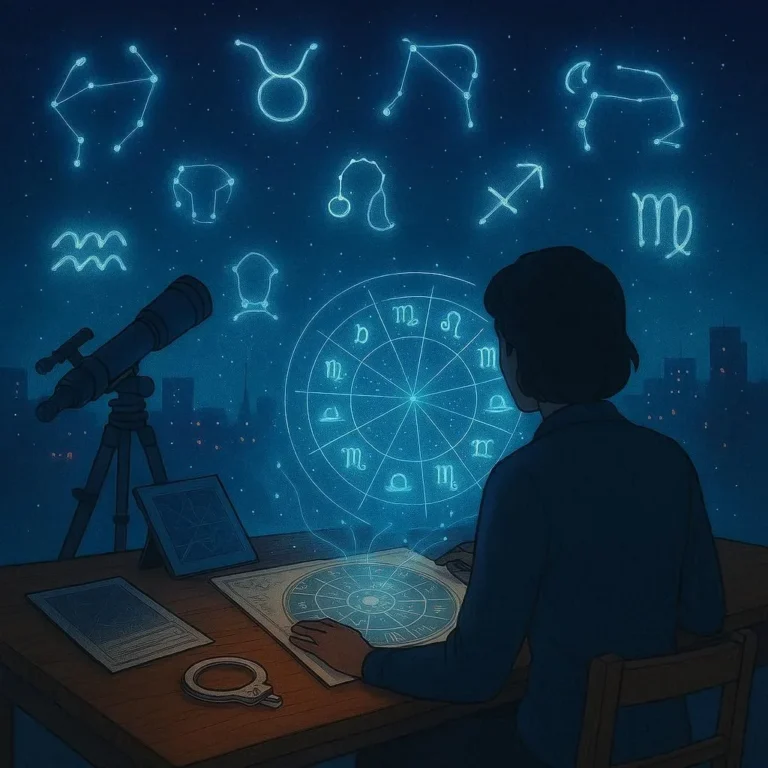
- Mindful Observation: Find a quiet spot, set up a telescope or binoculars, and watch the eclipse unfold. Use this time for deep breathing and grounding exercises.
- Journaling: Keep a dedicated eclipse journal. Record your thoughts, feelings, and any insights that arise during the event.
- Moonlit Meditation: Practice a guided meditation that focuses on the Moon’s phases. Visualize the eclipse as a cleansing wave washing away emotional clutter.
- Creative Expression: Channel the eclipse’s energy into art, music, or writing. Many artists report bursts of inspiration during lunar eclipses.
- Energy Cleansing: Use sage, palo santo, or essential oils to cleanse your space. The ritual can help release stagnant emotions.
- Community Connection: Join a local astronomy club or online forum to share experiences. Social connection amplifies the emotional impact.
These practices are rooted in both ancient traditions and contemporary wellness science. By consciously engaging with the eclipse, you can transform a fleeting celestial event into a lasting source of emotional renewal.
Conclusion: Embrace the Lunar Eclipse, Embrace Your Emotions
Lunar eclipses are more than a spectacular sky show; they are a reminder of the interconnectedness between cosmic rhythms and human emotions. By understanding the science, honoring cultural narratives, and practicing intentional rituals, you can harness the eclipse’s energy to foster emotional clarity, creativity, and resilience.
Ready to stay in sync with the Moon’s powerful cycles? Subscribe to our newsletter for monthly insights on lunar events, emotional wellness tips, and exclusive guided meditations. Let the next lunar eclipse be the catalyst for your personal transformation.
Frequently Asked Questions
Q1. What exactly is a lunar eclipse?
A lunar eclipse happens when the Earth moves between the Sun and the Moon, casting its shadow on the lunar surface. It can be total, where the Moon is fully engulfed, or partial, where only part of the Moon enters the shadow. The event is visible from anywhere on the night side of Earth and typically lasts a few hours.
Q2. How can a lunar eclipse affect my mood?
The sudden dimming of the Moon can mimic twilight, which may calm the nervous system and encourage introspection. Cultural beliefs and the anticipation of the event can trigger emotional release and heightened intuition. Some people report increased creativity and a desire to journal during the eclipse.
Q3. Is there scientific evidence linking lunar eclipses to emotional changes?
Direct studies are limited, but research on lunar phases shows subtle effects on sleep and circadian rhythms. Gravitational influences of the Moon may amplify these effects during an eclipse. The placebo effect of believing in the eclipse’s power can also produce measurable mood shifts.
Q4. What practical ways can I harness the energy of a lunar eclipse?
Mindful observation, journaling, guided meditation, creative expression, energy cleansing rituals, and connecting with a community are all effective practices. These activities help you align with the eclipse’s rhythm and transform the experience into lasting emotional renewal.
Q5. Should I be concerned about health effects during a lunar eclipse?
There are no significant health risks associated with watching a lunar eclipse. The only change is a temporary reduction in light, which may affect sleep if you stay up late. If you have sleep issues, consider adjusting your schedule accordingly.