Future Life Insights Astrology
Astrology has long been a tool for those seeking guidance about the future. By studying the positions of celestial bodies at the time of birth, practitioners claim to uncover patterns that can illuminate personal growth, career paths, and relationships. In this article, we explore how modern astrology can provide Future Life Insights and how you can use these insights to navigate your own journey. We’ll examine planetary cycles, birth chart analysis, transits, and practical applications, all while grounding our discussion in reputable sources and scientific context.
Future Life Insights: The Role of Planetary Cycles
Planetary cycles—such as the 12-year Saturn return or the 18-year Jupiter cycle—are central to astrological forecasting. These cycles are believed to trigger significant life events, prompting introspection or major decisions. While the science of astrology is not universally accepted, the study of planetary motion is well documented by institutions like NASA (NASA) and the University of Maryland Astronomy Department (UMD Astronomy). Understanding the mechanics of these cycles can help you anticipate periods of change and prepare accordingly.
Future Life Insights: Birth Chart Analysis
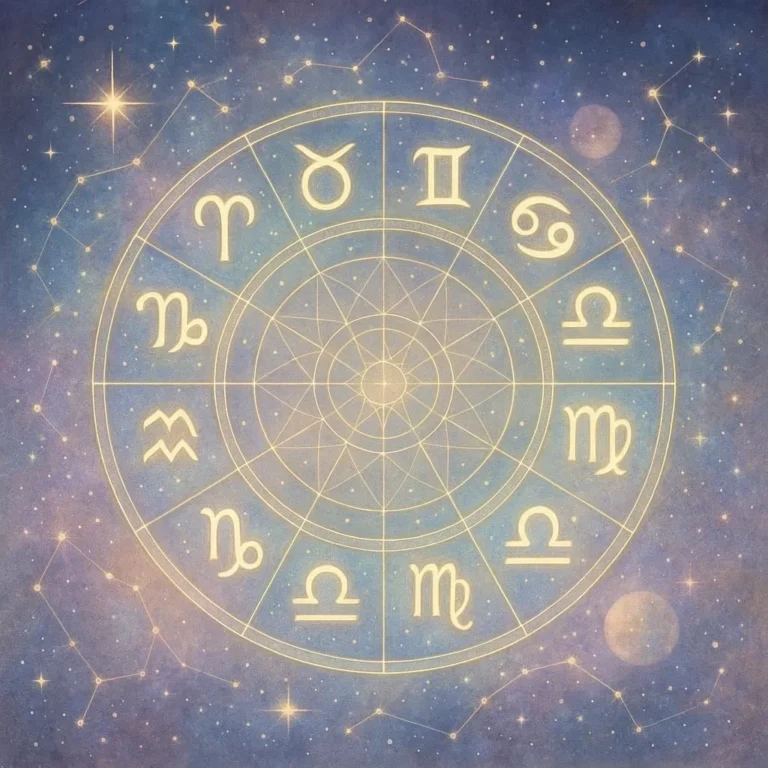
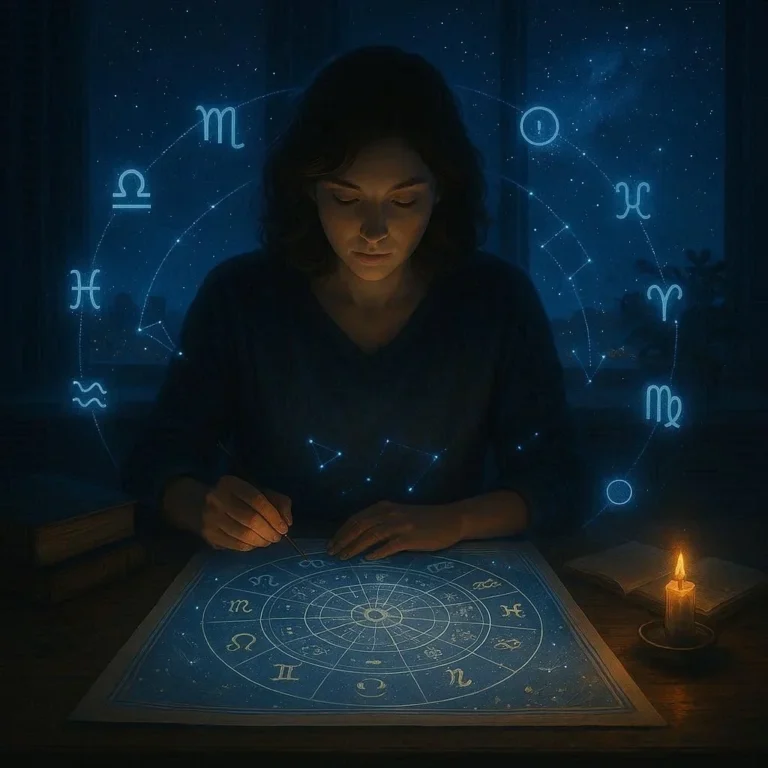
A birth chart, or natal chart, maps the sky at the exact moment of your birth. By interpreting the positions of the Sun, Moon, and planets, astrologers identify key themes that shape your personality and life trajectory. The chart’s houses represent different life areas—career, relationships, health—while aspects between planets suggest challenges or opportunities. For a deeper dive into chart interpretation, consult the comprehensive resources on Wikipedia’s astrology page (Astrology on Wikipedia) or Harvard’s Astronomy Department (Harvard Astronomy).
Future Life Insights: Transits and Progressions
Transits occur when current planetary positions align with those in your natal chart, creating dynamic influences that can trigger events or shifts. Progressions, on the other hand, involve symbolic movements of planets over time, offering a long‑term view of personal evolution. By tracking these patterns, you can identify optimal times for career moves, relationship milestones, or personal projects. Many online tools and software—such as Astro.com—provide automated transit reports, making it easier to stay informed.
Future Life Insights: Practical Applications
While the metaphysical aspects of astrology may seem abstract, the practical applications are tangible. Below is a list of ways you can incorporate Future Life Insights into everyday decision‑making:
- Career Planning: Use planetary transits to time job applications or promotions.
- Relationship Timing: Align significant dates with favorable aspects for harmony.
- Health Awareness: Pay attention to the Moon’s phases and Mercury retrograde for potential health fluctuations.
- Financial Decisions: Consider Jupiter’s influence for investment opportunities.
- Personal Growth: Reflect on Saturn’s lessons to build resilience.
These strategies are not guarantees but rather frameworks that can enhance self‑awareness and proactive living. By integrating astrological insights with evidence‑based practices—such as setting SMART goals or seeking professional counseling—you create a balanced approach to future planning.
Balancing Science and Symbolism
Astrology sits at the intersection of science, art, and spirituality. While the astronomical data that underpins planetary positions is rigorous, the interpretive layer remains subjective. Researchers at the University of Maryland have explored the psychological impact of astrology, finding that belief in celestial guidance can boost confidence and reduce anxiety (UMD Research). This suggests that the value of astrology may lie as much in its narrative power as in any predictive accuracy.
Future Life Insights: Ethical Considerations
When seeking Future Life Insights, it’s essential to approach astrology with ethical mindfulness. Avoid making life‑changing decisions solely based on horoscopes; instead, use them as one of many tools. Respect the privacy of others when sharing astrological information, and be transparent about the limits of predictive certainty.
Future Life Insights: Resources for Continued Learning
For those eager to deepen their understanding, consider the following resources:
- Astrology on Wikipedia – A comprehensive overview of history and concepts.
- NASA – Insight into planetary science and celestial mechanics.
- University of Maryland Astronomy – Academic research on celestial phenomena.
- Harvard Astronomy – Cutting‑edge studies in astrophysics.
Conclusion and Call to Action
By weaving together planetary cycles, birth chart analysis, and practical applications, you can harness Future Life Insights to guide your personal and professional journey. Whether you view astrology as a symbolic language or a predictive tool, its emphasis on self‑reflection and intentionality offers a valuable framework for navigating uncertainty. Start by charting your own birth chart, observe upcoming transits, and experiment with the strategies outlined above. Embrace the mystery, stay grounded in evidence, and let the stars inspire you to shape a future that aligns with your deepest aspirations. Take the first step toward a more intentional tomorrow—discover your Future Life Insights today.
Frequently Asked Questions
Q1. What are planetary cycles and how do they influence my life?
Planetary cycles refer to the recurring periods in which planets complete their orbits relative to Earth. For example, the 12‑year Saturn return often signals a time of maturity and reassessment, while the 18‑year Jupiter cycle can bring opportunities for expansion. Astrologers believe these cycles trigger significant life events, prompting introspection or major decisions. By understanding when these cycles occur, you can anticipate periods of change and prepare accordingly. However, the exact outcomes are highly individualized and should be considered as guidance rather than certainty.
Q2. How can I read my birth chart?
A birth chart, or natal chart, maps the sky at the exact moment of your birth, showing the positions of the Sun, Moon, and planets. Each planet’s placement in a zodiac sign and house reveals themes in personality, career, relationships, and health. Astrologers interpret aspects—angles between planets—to identify challenges or opportunities. Online tools like Astro.com can generate a chart and provide basic interpretations, but deeper insight often comes from studying the chart’s houses and aspects in detail. Remember, the chart is a symbolic map, not a deterministic blueprint.
Q3. What are transits and how can I use them?
Transits occur when current planetary positions align with those in your natal chart, creating dynamic influences that can trigger events or shifts. For instance, a favorable transit of Venus might enhance romance, while a challenging Mars transit could increase tension. By tracking transits, you can identify optimal times for career moves, relationship milestones, or personal projects. Many online tools, such as Astro.com, provide automated transit reports that help you stay informed. Use transits as a framework for timing rather than a strict rule.
Q4. Are there scientific studies supporting astrology?
While the astronomical data that underpins planetary positions is rigorously documented by institutions like NASA, the interpretive layer of astrology remains largely subjective. Research from the University of Maryland has shown that belief in astrology can boost confidence and reduce anxiety, suggesting psychological benefits. However, large‑scale empirical studies have not consistently demonstrated predictive accuracy beyond chance. Thus, astrology is best viewed as a symbolic language that can complement evidence‑based practices rather than replace them.
Q5. How can I ethically use astrology in decision making?
Ethical use of astrology involves treating it as one of many tools in your decision‑making toolkit. Avoid making life‑changing decisions solely on horoscopes; instead, combine astrological insights with practical considerations, such as SMART goals or professional advice. Respect privacy when sharing astrological information and be transparent about its limits. By balancing symbolic guidance with evidence‑based practices, you can navigate uncertainty responsibly.