Astrology Mapping Your Future
Astrology Mapping has long been a tool for those seeking insight into the unseen currents that shape our lives. By charting the positions of the planets at the exact moment of birth, practitioners can weave a narrative that connects cosmic patterns to personal destiny. Whether you’re a seasoned believer or a curious newcomer, understanding how Astrology Mapping works can illuminate the path ahead and help you make informed choices about your future.
Astrology Mapping: The Foundations
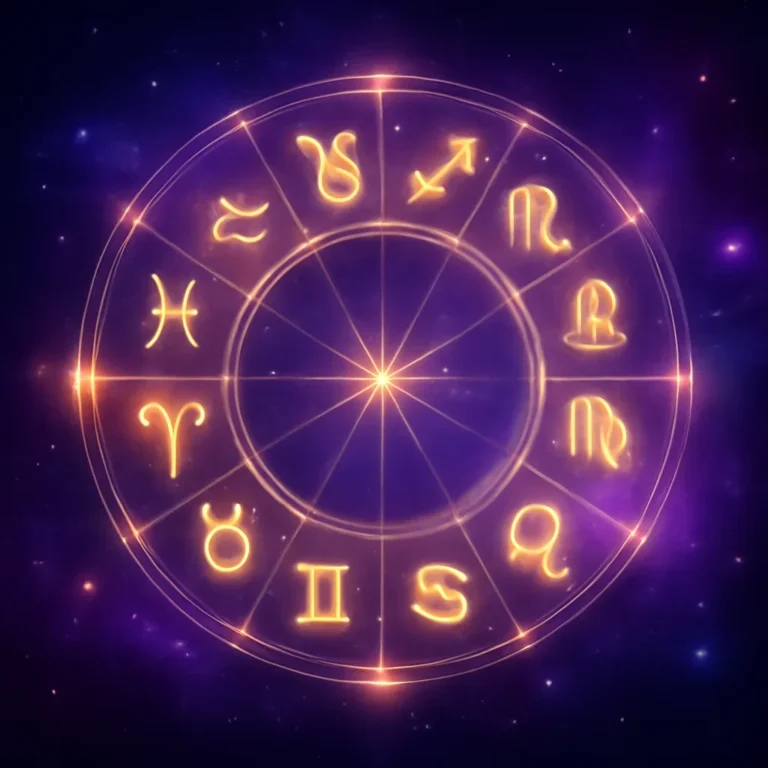
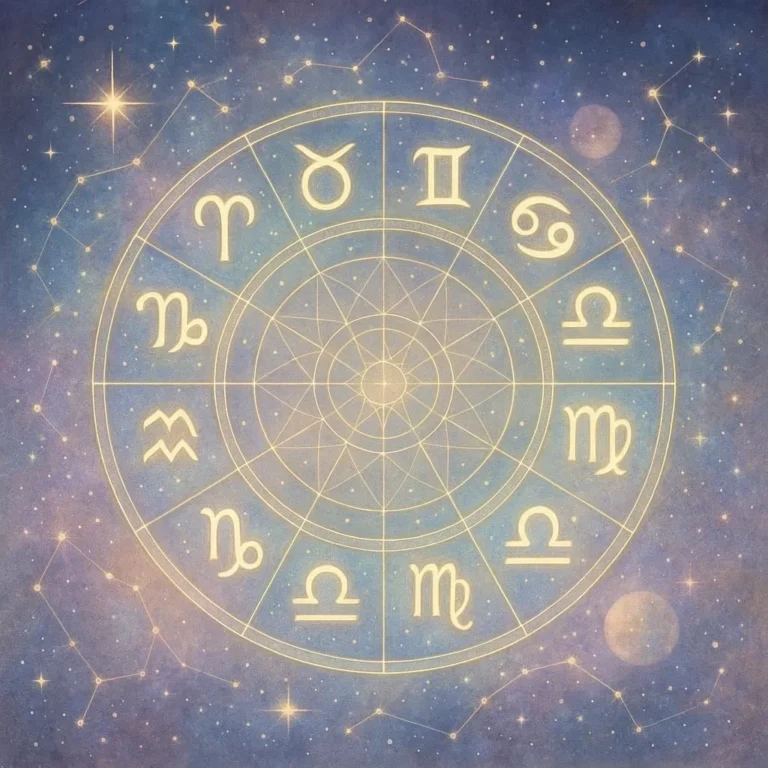
At its core, Astrology Mapping relies on the birth chart, a celestial snapshot that captures the sky’s configuration at the instant of your birth. The chart is divided into twelve houses, each representing a different life domain—career, relationships, health, and more. The zodiac signs that occupy these houses, along with the planets that reside within them, provide clues about your innate strengths and challenges. For a deeper dive into the mechanics of a birth chart, the Wikipedia entry on Birth Chart offers a comprehensive overview.
Astrology Mapping is not merely a mystical exercise; it is rooted in centuries of astronomical observation. The ancient Babylonians, Greeks, and Indians all contributed to the development of planetary symbolism, and modern astrologers continue to refine these traditions using contemporary data. The Wikipedia page on Astrology traces this evolution from early celestial omens to the sophisticated software used by practitioners today.
Astrology Mapping: Planetary Influences
Each planet in Astrology Mapping carries a distinct energy that influences various aspects of your life. Below is a concise list of the primary planetary forces and their typical associations:
- Sun – Core identity, vitality, and purpose.
- Moon – Emotions, instincts, and subconscious patterns.
- Mercury – Communication, intellect, and learning style.
- Venus – Love, beauty, and financial values.
- Mars – Drive, ambition, and conflict resolution.
- Jupiter – Growth, optimism, and expansion.
- Saturn – Discipline, responsibility, and life lessons.
- Uranus – Innovation, rebellion, and sudden change.
- Neptune – Intuition, spirituality, and illusion.
- Pluto – Transformation, power, and regeneration.
Astrology Mapping also considers the aspects—angular relationships—between planets. Conjunctions, squares, trines, and oppositions each signal different dynamics, from harmonious flow to tension that prompts growth. For those interested in the scientific side of planetary motion, the NASA Solar System page provides up-to-date data on planetary positions and movements.
Astrology Mapping: Interpreting Your Birth Chart
Interpreting a birth chart is an art that blends symbolic meaning with personal context. A skilled astrologer will examine the sign on the cusp of the first house—known as the Ascendant—to gauge your outward demeanor. The Sun sign reveals your core essence, while the Moon sign reflects your emotional landscape. By analyzing the interplay between these elements, you can uncover patterns that resonate with your lived experience.
For example, a chart with a strong emphasis on the water signs (Cancer, Scorpio, Pisces) may indicate heightened sensitivity and a deep need for emotional security. Conversely, a chart dominated by fire signs (Aries, Leo, Sagittarius) often points to assertiveness, enthusiasm, and a drive for adventure. Understanding these nuances can help you navigate relationships, career choices, and personal development with greater clarity.
Academic research on astrology’s psychological impact suggests that many people find meaning and self‑reflection through chart interpretation. A study published by the University of Maryland’s Astronomy Department (University of Maryland Astronomy) highlights how symbolic frameworks can foster introspection and personal growth, even if the celestial mechanics themselves remain a matter of belief.
Astrology Mapping: Practical Applications for Your Future
Once you grasp the fundamentals of Astrology Mapping, you can apply its insights to everyday decisions. Here are several practical ways to integrate astrological guidance into your future planning:
- Career Timing – Identify periods when planetary transits favor professional advancement.
- Relationship Compatibility – Compare birth charts to assess emotional and communicative harmony.
- Health Awareness – Recognize planetary influences that may affect physical well‑being.
- Personal Growth – Use Saturn’s lessons to cultivate resilience and long‑term success.
- Financial Decisions – Align Venus and Jupiter transits with investment opportunities.
Astrology Mapping can also serve as a complementary tool alongside evidence‑based practices. For instance, aligning your major life changes with favorable planetary periods may enhance motivation and reduce stress. While astrology should not replace medical or financial advice, it can provide a holistic framework that supports mindful decision‑making.
To explore your own chart, many reputable online platforms offer free readings that incorporate the latest planetary data. These tools often reference authoritative sources such as the NASA website for accurate ephemerides, ensuring that your chart reflects the true positions of celestial bodies at your birth.
Conclusion and Call to Action
Astrology Mapping offers a unique lens through which to view the tapestry of your life. By understanding the planetary forces that shape your destiny, you can navigate the future with confidence and purpose. Whether you seek clarity in love, career, or personal growth, the insights gleaned from a well‑interpreted birth chart can serve as a compass for your journey.
Frequently Asked Questions
Q1. What is Astrology Mapping?
Astrology Mapping is the practice of creating a birth chart that records the positions of planets, the Sun, and the Moon at the exact moment of your birth. By dividing the sky into twelve houses, each representing a life domain, astrologers interpret how celestial energies influence personality, relationships, and life events. It blends ancient symbolism with modern astronomical data to offer a personalized roadmap.
Q2. How accurate is Astrology Mapping?
Accuracy depends on the quality of the birth data and the skill of the interpreter. While the planetary positions are scientifically precise, the meanings assigned to them are symbolic and interpretive. Many people find the insights useful for self-reflection, even if the predictions are not deterministic.
Q3. Can Astrology Mapping help with career decisions?
Yes, by examining the 10th house, the ruler of that house, and transits to it, astrologers can suggest optimal times for job changes, promotions, or entrepreneurial ventures. They also look at planetary aspects that highlight strengths and challenges relevant to specific professions.
Q4. How do planetary transits influence my chart?
Transits are the current positions of planets relative to your natal chart. They can trigger events or emotional shifts, such as a supportive Jupiter transit encouraging growth or a challenging Saturn square prompting responsibility. Tracking transits helps you anticipate periods of change and plan accordingly.
Q5. Where can I get a free birth chart reading?
Several reputable sites offer free natal chart calculations, including Astro.com, Cafe Astrology, and AstroStyle. These platforms provide detailed interpretations and often include transit updates. For a quick start, simply enter your birth date, time, and location to generate your chart.