Astrology Guide to Planetary Cycles
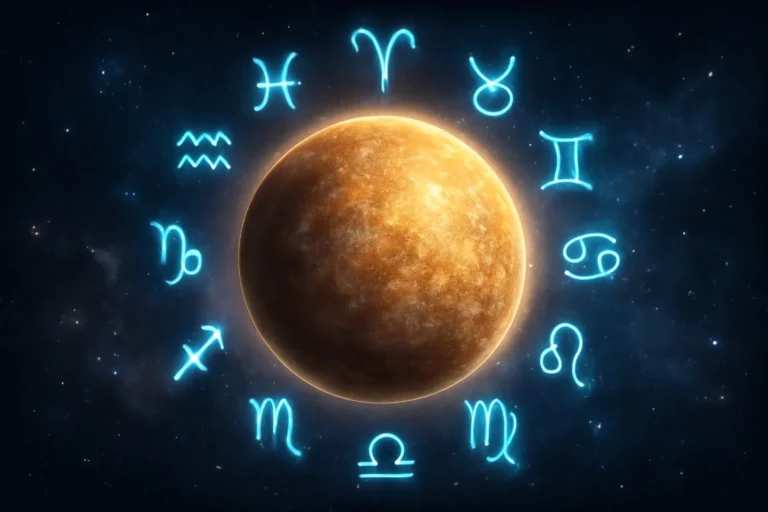
Welcome to the ultimate Astrology Guide for understanding planetary energy cycles. Whether you are a seasoned astrologer or a curious beginner, knowing how each planet’s rhythm influences our lives can deepen self‑awareness, timing, and personal growth. In this comprehensive guide we will explore the major planetary cycles, their symbolic meanings, practical applications, and how to align with these cosmic currents for optimal results.
Astrology Guide: The Mercury Cycle and Communication
Mercury governs thought, speech, and the flow of information. Its orbit around the Sun takes about 88 days, creating a swift, three‑month rhythm that repeats four times a year. The most talked‑about phase is retrograde motion, when Mercury appears to move backward in the sky. During Mercury retrograde, misunderstandings, travel delays, and technology glitches are common. Rather than resisting, the Astrology Guide recommends using this period for review, revision, and reflective writing.
- Forward phase (direct): Ideal for launching ideas, signing contracts, and networking.
- Retrograde phase: Best for editing drafts, reorganizing digital files, and clarifying messages.
- Stationary periods: Pause before major decisions; meditate on intellectual goals.
By syncing daily tasks with Mercury’s 28‑day sub‑cycle, you can reduce friction and enhance clarity.
Astrology Guide: Venus Cycle and the Art of Attraction
Venus, the planet of love, beauty, and values, orbits the Sun in about 225 days, creating a seven‑month energetic loop. Its cycle influences how we perceive pleasure, relationships, and finances. When Venus moves through a sign, aesthetic tastes shift; when it squares or opposes other planets, tension around values can arise.
Key phases to note:
- Ascending Venus (direct): A time to initiate romance, enhance personal style, and negotiate financial agreements.
- Venus retrograde (approximately 40 days every 18 months): Encourages re‑evaluation of relationships and spending habits. It is not a good time for major purchases, but perfect for rediscovering forgotten passions.
- Stationary Venus: Pause and reflect on what truly brings joy.
Integrating Venus’s rhythm into your calendar helps nurture deeper connections and align spending with authentic values.
Astrology Guide: Mars Cycle and Personal Drive
Mars, the warrior planet, completes an orbit in 687 Earth days—roughly 23 months. Its long cycle reflects the waxing and waning of personal ambition, assertiveness, and physical energy. When Mars is strong (especially in Aries), motivation peaks; during its retrograde (about 2‑month periods every two years), frustration and scattered focus are common.
Practical tips derived from the Astrology Guide include:
- Schedule high‑impact projects during Mars‑direct phases for maximum drive.
- Turn to meditation, low‑impact exercise, or strategic planning when Mars is retrograde.
- Use Mars Stationary periods as a checkpoint to assess whether your goals still align with your core mission.
By honoring Mars’s cadence, you can avoid burnout and channel aggression into constructive action.
Astrology Guide: Jupiter Cycle and Expansion
Jupiter, the planet of growth, luck, and philosophy, travels around the Sun once every 12 years. Each year, it inhabits a different zodiac sign, highlighting a specific area of expansion—be it education, travel, or spiritual belief. Jupiter’s 12‑year cycle aligns with the Cornell Astronomy Department’s educational outreach on planetary motion, underscoring its significance in both science and symbolism.
Key moments:
- Jupiter direct: Optimal for starting new ventures, learning, and seeking mentorship.
- Jupiter retrograde (about 4 months each year): A period for internal reflection on beliefs and long‑term goals.
- Jupiter in a new sign: Signals a fresh thematic focus for the year—e.g., Jupiter in Sagittarius amplifies travel and higher education.
Leveraging Jupiter’s expansive energy can bring serendipitous opportunities, especially when paired with intentional preparation.
Astrology Guide: Saturn Cycle and Structured Growth
Saturn’s 29.5‑year orbit is the longest of the traditional “personal” planets, marking a generational timeline of responsibility, discipline, and mastery. Its influence is felt most strongly during its return (around age 29‑30 and again at 58‑60), moments that often correspond with major life restructuring.
According to NASA planetary missions, Saturn’s complex ring system mirrors the layered nature of personal boundaries. When Saturn is direct, you can build structures; when retrograde, you must reassess existing frameworks.
- Saturn direct: Time to set long‑term goals, sign contracts, and establish routines.
- Saturn retrograde: Review contracts, address hidden obstacles, and fine‑tune discipline.
- Saturn station: Pause major commitments; consider whether your current path truly serves your higher purpose.
Integrating Saturn’s deliberate cadence helps you cultivate resilience and lasting achievement.
Astrology Guide: Outer Planet Cycles and Collective Shifts
Uranus, Neptune, and Pluto move slowly, each shaping collective consciousness. Uranus’s 84‑year cycle triggers breakthroughs and sudden change; Neptune’s 165‑year journey inspires spiritual imagination; Pluto’s 248‑year spiral brings transformation and power dynamics. While these cycles are subtle on a day‑to‑day level, their generational impact can be observed in cultural trends, technological revolutions, and deep societal shifts.
For those interested in a scientific perspective, the Encyclopaedia Britannica entry on astrology provides a balanced overview of how planetary symbolism has evolved across civilizations.
To harness these energies, the Astrology Guide suggests:
- Tracking major transits of outer planets to anticipate societal turning points.
- Aligning personal rituals (meditation, vision boards) with significant outer‑planet aspects for deeper resonance.
- Studying historical periods when these planets were pivotal—e.g., Uranus in Aquarius during the digital age.
Astrology Guide: Integrating Lunar Phases
While the focus of this guide is planetary cycles, the Moon’s 28‑day phases act as a rapid, emotional “meter” that syncs with the slower planetary rhythms. New Moon initiates, Full Moon culminates, and the quarters provide opportunities for adjustment. Combining lunar timing with the broader planetary cycles creates a multi‑layered strategy for manifesting intentions.
Conclusion: Apply the Astrology Guide to Your Life
Understanding planetary energy cycles transforms abstract astrological concepts into practical tools. By respecting Mercury’s communication rhythm, Venus’s love language, Mars’s drive, Jupiter’s growth, Saturn’s discipline, and the collective sway of the outer planets, you can navigate daily challenges with greater confidence and purpose. Remember to layer these insights with the Moon’s phases for a holistic approach.
Ready to align your actions with the cosmos? Bookmark this Astrology Guide, add planetary dates to your calendar, and start experiencing the benefits of working with planetary energy cycles today. For deeper study, explore the linked resources, join an astrology community, or schedule a personalized chart reading. Embrace the rhythm of the heavens and watch your life unfold in harmony.
Frequently Asked Questions
Q1. What are planetary cycles in astrology?
Planetary cycles are the regular movements of the planets through the zodiac, each creating its own rhythm of influence. They shape our emotions, thoughts, and life events over days, months, or years. By understanding these cycles, you can anticipate trends and align your actions with cosmic timing.
Q2. How does Mercury retrograde affect communication?
During Mercury retrograde the planet appears to move backward, often leading to miscommunications, travel delays, and technology glitches. It’s a time to review, revise, and double‑check details rather than launch new initiatives. Using this period for reflection helps prevent mistakes and refines your messages.
Q3. When is the best time to start a new project based on Jupiter’s cycle?
Jupiter’s direct phases, especially when it enters a new zodiac sign, amplify growth, optimism, and opportunity. Starting a project during these moments can attract luck and expand your vision. Avoid major launches during Jupiter retrograde, which favors internal review.
Q4. What does a Saturn return mean for personal growth?
A Saturn return occurs roughly every 29.5 years, marking a period of heightened responsibility and restructuring. It challenges you to build solid foundations, set long‑term goals, and mature emotionally. Embracing its lessons often leads to lasting achievement and deeper self‑discipline.
Q5. How can I use lunar phases together with planetary cycles?
The Moon’s 28‑day phases provide a fast, emotional rhythm that can be layered onto slower planetary cycles. Initiate new ideas at New Moon, evaluate progress at the First Quarter, harvest results at Full Moon, and refine at the Last Quarter. Combining both creates a multi‑level timing strategy for maximum impact.