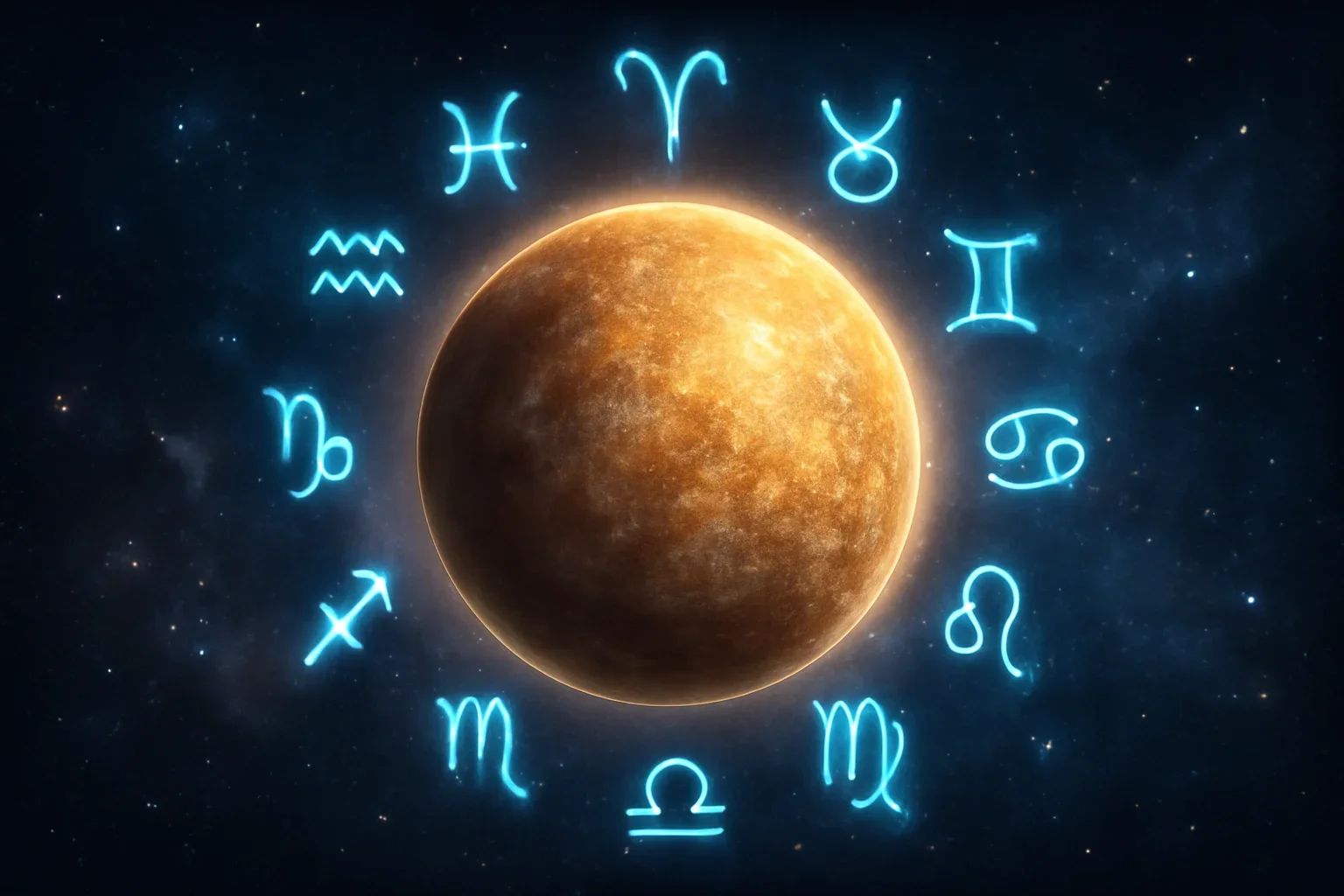
Understanding Rahu North Node
In Vedic astrology, Rahu is identified as the North Node of the Moon, a shadow planet that governs desire, ambition, and the karmic lessons we encounter in this lifetime. Unlike the physical planets, Rahu has no tangible form, but its influence is remarkably potent, especially when it occupies key houses or aspects critical points in a natal chart. Modern students of astrology often compare Rahu to the western concept of the North Node, noting both similarities and distinct mythological backgrounds. Throughout this article we will explore Rahu’s mythological origins, its role in predictive techniques, the effects of its Mahadasha periods, and practical remedies that can help mitigate its challenging aspects while enhancing its growth potential. Whether you are a seasoned practitioner or a curious newcomer, understanding Rahu North Node is essential for a well‑rounded Vedic astrological practice.
Mythology and Symbolic Meaning
The story of Rahu originates from ancient Hindu scripture, where the demon Swarbhanu attempts to drink the divine elixir of immortality during the Samudra Manthan (the churning of the cosmic ocean). The Sun and the Moon discover his deception and sever his head, which becomes Rahu, while the body forms Ketu. Because Rahu never completed its physical form, it is forever chasing the Sun and Moon, producing eclipses whenever it aligns with them. This myth explains Rahu’s association with illusion (maya), sudden twists of fate, and the relentless pursuit of desire. In an astrological context, Rahu represents what we are drawn toward but have yet to integrate fully into our conscious self.
Rahu’s Influence in the Natal Chart
When Rahu occupies a house, it amplifies the themes of that house, often in an unconventional or foreign manner. For example, Rahu in the 3rd house can spark an intense curiosity for languages, travel, or technology, while Rahu in the 10th house may drive a person toward an unconventional career path, fame, or public scrutiny. The sign in which Rahu resides adds another layer; Rahu in Aquarius, a sign of innovation, can create a visionary mindset, whereas Rahu in Cancer may generate emotional turbulence and a deep yearning for nurturing relationships.
Rahu’s aspects are also crucial. In Vedic astrology, Rahu aspects the 5th, 7th, and 9th houses from its position, influencing creativity, partnerships, and philosophical outlooks respectively. Its aspect on the Moon is especially significant, as it can create mental restlessness, heightened intuition, or even psychosomatic issues if poorly placed.
Rahu’s Mahadasha and Transits
The planetary periods (Mahadashas) form the backbone of Vedic predictive work. Rahu Mahadasha, lasting 18 years, is often described as a time of rapid transformation, unexpected opportunities, and heightened material pursuits. The outcomes of this period depend heavily on the natal placement of Rahu and the houses it rules. A well‑placed Rahu can bring breakthroughs in technology, entrepreneurship, or foreign connections, while a malefic Rahu may trigger scandals, addiction, or abrupt disruptions.
Transit of Rahu, also known as “Sade Sati” for Saturn, lasts about 1.5 years as it moves through the 2nd, 3rd, and 4th houses from the natal Moon. During this window, individuals may feel compelled to confront deep‑seated fears, engage in intense learning, or navigate intense relationship dynamics. The transition of Rahu into a sign matching its natural disposition (Aquarius, Gemini, or Libra) is often considered a period of clarity and purposeful action.
For detailed study, practitioners often refer to authoritative texts and databases. The Wikipedia entry on Rahu provides a concise overview of its myth and astronomical classification, while the North Node (astrology) page explains the cross‑cultural parallels that enrich modern interpretation.
Practical Remedies and Spiritual Lessons
Because Rahu can generate intense desire and delusion, Vedic tradition recommends specific remedies to balance its influence and encourage spiritual growth. These practices are not merely superstitious; they are grounded in centuries‑old experiential wisdom and have been corroborated by contemporary psychological research on mindfulness and intention setting.
- Mantra Recitation: Chanting the Rahu Beej mantra “Om Raam Rahave Namah” 108 times daily can pacify Rahu’s restless energy.
- Charitable Acts: Donating black sesame seeds, blue clothing, or electronics to the needy on Saturdays aligns with Rahu’s color and element, reducing karmic debt.
- Gemstone Therapy: Wearing a hessonite (gomed) after proper astrological consultation can harmonize Rahu’s vibrations.
- Meditation on the Moon: Since Rahu’s shadow is linked to lunar cycles, meditating during a new moon fosters inner clarity.
Beyond these external actions, Rahu’s primary lesson is about embracing change without losing one’s ethical compass. By consciously directing desire toward constructive goals—such as innovative research, humanitarian projects, or artistic expression—individuals can transform Rahu’s potentially destabilizing force into a catalyst for profound personal evolution.
Integrating Rahu Insights into Daily Practice
For astrologers advising clients, it is essential to contextualize Rahu’s influence within the broader chart. A comprehensive analysis should consider the following steps:
- Identify Rahu’s house and sign, noting any conjunctions or oppositions.
- Examine the houses Rahu aspects, especially the Moon, to gauge mental and emotional impacts.
- Review the current Dasha sequence; if Rahu Mahadasha is active, prioritize strategic planning and risk assessment.
- Assess transits: note when Rahu will move into sign or house rulerships that could trigger new opportunities.
- Recommend tailored remedies, emphasizing personal responsibility and conscious intention.
By following this structured approach, practitioners can provide clients with clear, actionable guidance that respects both traditional wisdom and contemporary lifestyle demands.
Conclusion and Call to Action
Rahu North Node serves as a powerful reminder that desire, when channeled mindfully, can become a vehicle for growth rather than a source of chaos. Whether you are navigating Rahu’s Mahadasha, experiencing a transit, or simply seeking to understand its symbolic language, the principles outlined above will help you harness its energy responsibly.
Ready to deepen your Vedic astrology practice? Explore our comprehensive online courses, join a live workshop on Rahu’s effects, or schedule a personalized chart reading with our certified experts. Embrace the lessons of Rahu today and transform challenges into opportunities for spiritual advancement.
Frequently Asked Questions
Q1. What is Rahu North Node in Vedic astrology?
Rahu, known as the North Node of the Moon, is a shadow planet that symbolizes desire, ambition, and karmic lessons. It has no physical form but exerts strong influence when placed in key houses or aspects. In Vedic astrology it represents the material and worldly experiences we are meant to master in this life.
Q2. How does Rahu affect the houses in a natal chart?
Rahu amplifies the themes of the house it occupies, often in unconventional or foreign ways. For example, Rahu in the 3rd house can spark curiosity for travel and technology, while Rahu in the 10th may drive an unconventional career. Its aspects on the 5th, 7th and 9th houses also modify creativity, relationships and philosophy.
Q3. What is the significance of Rahu Mahadasha?
The Rahu Mahadasha lasts 18 years and is a period of rapid transformation, unexpected opportunities, and intensified material pursuits. Outcomes depend on Rahu’s natal placement and the houses it rules; a well‑placed Rahu can bring breakthroughs, whereas a malefic Rahu may cause scandals or disruptions.
Q4. Which remedies are recommended to mitigate Rahu’s challenging effects?
Traditional remedies include chanting the Rahu Beej mantra “Om Raam Rahave Namah”, donating black sesame seeds or blue clothing on Saturdays, wearing a properly prescribed hessonite gemstone, and meditating during the new moon. These practices help balance Rahu’s restless energy and support spiritual growth.
Q5. How does Rahu differ from the Western North Node?
Both represent the lunar north node, but Rahu is embedded in Hindu mythology as a severed head that creates eclipses, giving it a distinct symbolic narrative. Western astrology treats the North Node mainly as a psychological point without mythic deities, focusing on life purpose and growth direction.