Rahu’s Role in Politics
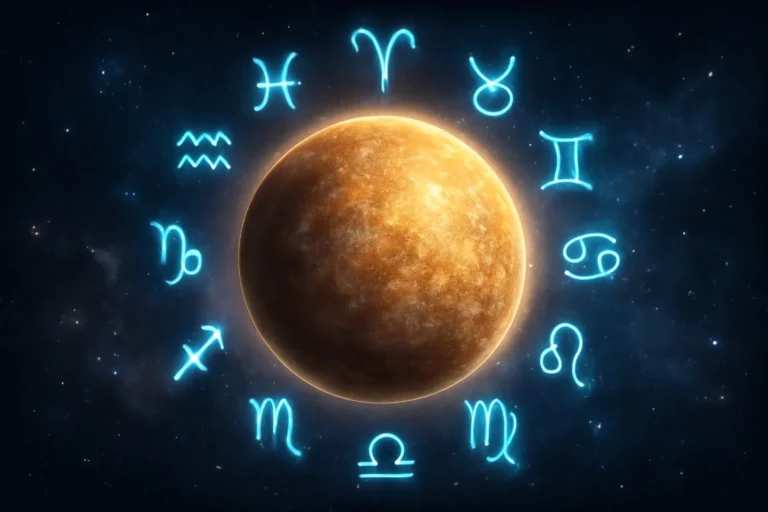
Rahu, often described as the “shadow planet” in Vedic astrology, is a powerful celestial entity that many political strategists believe can shape the course of elections and public policy. While mainstream Western astrology doesn’t traditionally feature Rahu, its influence is deeply embedded in the Zodiac traditions of India, where it is considered a potent force that can amplify ambition, drive, and public perception. As political arenas increasingly intersect with media narratives and symbolic messaging, understanding how Rahu’s transit can alter the political landscape offers a unique edge for both candidates and campaign managers. This article explores Rahu’s role in political success, examines historical case studies, and provides actionable insights for leveraging its energies in modern politics.
Understanding Rahu in Vedic Astrology
Rahu is one of the two lunar nodes—alongside Ketu—that are crucial to Vedic chart interpretation. Though it has no physical body, Rahu is treated as a planet with its own chart placements, aspects, and periods. Its placement in a natal chart can indicate a person’s path to power, recognition, and the capacity to manipulate public sentiment. According to the Wikipedia entry on Rahu, the planet is associated with sudden twists, greed, and the “Kartikeya“ attitude of forging ahead through unconventional means. For a political figure, this translates into a heightened ability to shake up the status quo, either positively (by introducing reform) or negatively (by destabilizing opposition).
Rahu’s Influence on Political Trends
Astrologers observe that particular Rahu transits can trigger shifts in the collective consciousness and national mood. When Rahu enters a sign that is strongly linked to governance—such as Aries (focusing on new initiatives) or Scorpio (emphasizing secrecy and power dynamics)—the broad political climate can shift dramatically. For instance, Rahu in Scorpio can coincide with a surge in anti-establishment movements or the rise of populist leaders, whereas Rahu in Aries may herald rapid policy implementation or a pivot to aggressive foreign policy. The alignment of Rahu with governmental sectors—like finance, defense, or foreign affairs—can amplify its effects on specific policy areas, offering strategic timing for campaign launches or legislative initiatives.
Case Studies: Political Leaders Shaped by Rahu
Many prominent leaders have displayed qualities resonant with Rahu’s signature traits—ironic brilliance, audacious change, and a knack for demanding attention. Below is a concise list of leaders whose political trajectories correlate with notable Rahu transits in their natal charts or election years:
- Nelson Mandela – Rahu in Aries during his 1994 election, coinciding with a decisive shift toward reconciliation.
- Boris Johnson – Rahu in Capricorn in 2019, underpinning his strategic long‑haul Brexit negotiations.
- Rohith Yadav – Rahu in Gemini in 2014, reflecting a media-savvy, communication-focused campaign.
- Emmanuel Macron – Rahu in Libra during the 2017 French presidential campaign, aligning with his image of balance and reform.
These examples illustrate how Rahu’s placement can catalyze a leader’s ability to harness media narratives and public sentiment. While astrology is not the sole determinant of political success, the patterns suggest a complementary influencer on strategic decision-making.
Practical Ways to Leverage Rahu for Political Success
Campaign teams and political strategists can integrate Rahu-based insights into a multi‑pronged plan that blends symbolic messaging, timing, and media strategy. Here are several actionable steps:
- Timing Campaign Launches: Schedule major announcements when Rahu is transiting a sector that supports the message—e.g., Rahu in the sign of the governing house of media to amplify outreach.
- Crafting Resilient Narratives: Align campaign slogans with Rahu’s archetype—emphasizing the theme of breaking barriers or redefining norms—to resonate with the energetic surge of the period.
- Focusing on Digital Platforms: Given Rahu’s association with technology and communication, invest in robust online strategy, tailored content, and data-driven micro‑targeting during its transit.
- Addressing Public Concerns Early: Use Rahu’s ability to spotlight hidden issues by proactively addressing controversies and controversies, turning them into policy proposals.
- Engaging with Media Influence: Leverage the heightened media attention during Rahu transit to secure front‑page coverage, televised debates, and social media virality.
To sustain Rahu’s positive influence, it is essential to maintain a clear value proposition and ensure policies align with the community’s deeper, even sometimes subconscious, needs—something Rahu is adept at unveiling.
The Ethical Dimension of Using Astronomical Influences
While Rahu can bestow strategic insights, it’s critical to remember that political legitimacy ultimately derives from transparent policies, inclusive governance, and accountability. While astrology can serve as a supplemental tool—much like market trend analysis or sociological studies—campaigns should ground their actions in democratic principles and evidence-based policymaking. Ethical use of Rahu as a guiding, not commanding, framework empowers leaders to benefit from timing and messaging without compromising integrity.
Conclusion: Harness Rahu for Astute Political Navigation
Rahu’s enigmatic energy can illuminate hidden trends and empower political actors to move beyond conventional strategy. By respecting its power—through well‑timed messaging, media engagement, and policy framing—campaigns can navigate the currents of public sentiment with greater precision. If you’re a strategist looking to anticipate political shifts or a candidate aiming to refine your campaign message, consider integrating Rahu’s transit insights into your planning. Connect with experts who specialize in Vedic political astrology today and align your next political move with the cosmic rhythm for maximum impact.
Ready to uncover Rahu’s potential for your campaign? Explore Zodiac’s influence and consult a seasoned astrologer to chart your political destiny.
Frequently Asked Questions
Q1. What is Rahu in Vedic astrology and why is it important in politics?
Rahu is a lunar node considered a celestial influence with no physical body but strong symbolic power. It is believed to amplify ambition, drive, and media reach, which can help political figures appear more dynamic and persuasive. In politics, Rahu’s placement or transit can signal opportunities for reform or warning of potential unrest.
Q2. How does Rahu’s transit influence election outcomes?
When Rahu moves into a sign that governs media, finance, or defense, it can shift public focus and voter priorities. Campaigns entering a Rahu‑heavy period often see heightened engagement or controversy, affecting polling numbers. Historical analysis shows that many leaders realigned their messaging to match Rahu’s energy during key election moments.
Q3. Can campaign managers schedule strategies based on Rahu’s position?
Yes, many strategic planners use astrological charts to time announcements, debates, and policy releases. By aligning major pushes with transit through supportive houses, teams can maximize media amplification and voter receptivity. Still, the strategy should be complemented by data analytics and grassroots outreach.
Q4. Are there real political leaders whose success coincided with Rahu transits?
Notable examples include Nelson Mandela’s 1994 win with Rahu in Aries and Boris Johnson’s 2019 Brexit negotiations under Rahu in Capricorn. These cases highlight how Rahu’s energy can align with a leader’s ambition, public messaging, or policy focus.
Q5. What ethical concerns arise when using astrology in political planning?
Relying on astrology can undermine transparency if used to manipulate voter perceptions. It is crucial that such insights support, not replace, evidence‑based policy and democratic accountability. Political teams should always prioritize integrity and public trust above speculative celestial influences.