Rahu Meaning and Astrological Influence
Understanding the Rahu meaning is essential for anyone who studies Vedic astrology, as this shadow planet shapes destiny in ways that few other celestial bodies can. Unlike the visible planets, Rahu is a mathematical point—the lunar north node—yet its influence is felt across career, relationships, and spiritual growth. In this article we explore the mythological origins, the astrological significance, and practical insights for navigating Rahu’s energy.
Mythological Roots of Rahu
The story of Rahu begins in the ancient Samudra Manthan, where gods and demons churned the ocean to obtain amrita, the nectar of immortality. When the divine being Vishnu disguised himself as a deer to retrieve the elixir, the asura (demon) Rahu disguised his head as a god and drank the potion. The Sun and Moon exposed Rahu’s deception, and Vishnu beheaded him with his Sudarshana Chakra. Although his body perished, his head survived, becoming the shadow planet we call Rahu. This legend explains why Rahu is associated with illusion, obsession, and the relentless pursuit of material desire.
Rahu in Vedic Astrology: Core Concepts
In Vedic astrology, Rahu is classified as a *shadow planet* or chaya graha. Its counterpart, Ketu, represents the lunar south node. While Rahu symbolizes unfulfilled cravings and worldly ambition, Ketu signifies spiritual detachment and past‑life karma. Both are calculated points where the Moon’s orbit intersects the ecliptic, making them precise astronomical data points despite their mythic aura.
Key attributes of Rahu include:
- Nature: Rahu is considered a malefic planet, but its effects can be constructive when channeled positively.
- Elements: It is linked to the air and fire elements, fostering rapid change and mental agility.
- Significance: Rahu governs technology, foreign travel, unconventional careers, and everything that pushes boundaries.
Influence of Rahu by House and Sign
Rahu’s impact varies dramatically depending on the house it occupies in a natal chart. Below is a concise guide to its major expressions:
- 1st House (Ascendant): Amplifies charisma, often making the native appear larger‑than‑life. It can also cause identity crises if ego becomes unchecked.
- 3rd House: Sparks curiosity, encourages travel, and nurtures communication skills. This placement may lead to restless behavior.
- 6th House: Highlights health challenges and workplace conflicts, but also provides the drive to overcome obstacles.
- 9th House: Strongly favors foreign education, pilgrimage, and philosophical exploration. It can also create a love for exotic cultures.
- 12th House: Intensifies subconscious patterns, dreams, and hidden enemies. Spiritual practices become essential for balance.
When Rahu resides in fire signs (Aries, Leo, Sagittarius) it fuels ambition and leadership. In air signs (Gemini, Libra, Aquarius) it sharpens intellect and networking ability. Earth and water signs tend to soften Rahu’s raw energy, prompting a more pragmatic or emotional coping style.
Rahu Transits and Their Timing
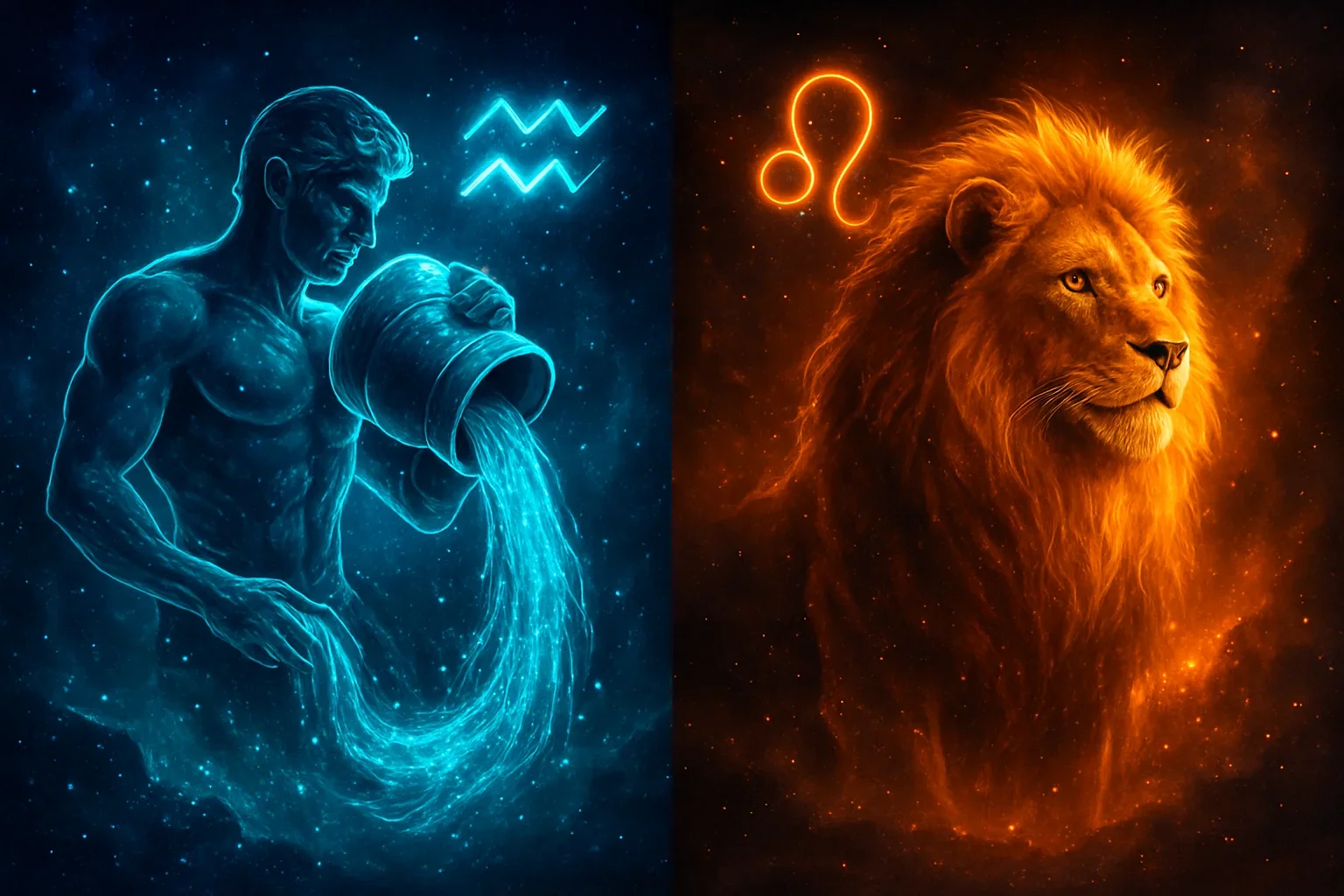
Rahu spends approximately 18 months in each zodiac sign, completing a full cycle roughly every 18 years. These transits mark periods of heightened visibility, sudden breakthroughs, or disruptive events. For example, Rahu’s transit through Aquarius (the sign of innovation) from 2023 to 2025 sparked a surge in cryptocurrency interest and new tech startups worldwide.
To gauge personal impact, astrologers compare the transit sign to the natal placement of Rahu and the houses it rules in the birth chart. The Britannica entry on Rahu outlines how this shadow planet can trigger both rapid success and unexpected setbacks, depending on how the individual channels its energy.
Remedies and Best Practices for Balancing Rahu
Because Rahu is a karmic point, traditional Vedic remedies aim to mitigate its challenging aspects while enhancing its positive potentials. Common practices include:
- Reciting the Rahu Beej Mantra: “Om Rām Rām Rahave Namah”.
- Wearing a gemstone such as hessonite (gomed) after consulting a qualified astrologer.
- Donating black sesame seeds or mustard oil on Saturdays.
- Engaging in charitable work for the underprivileged, which helps dissolve Rahu’s self‑centered tendencies.
Mindfulness meditation focused on letting go of obsessive desires can also harmonize Rahu’s restless energy. By acknowledging the shadow nature of Rahu, practitioners transform its material drive into purposeful action.
Rahu’s Role in Career and Technology
In modern contexts, Rahu is frequently linked to digital innovation, media, and unconventional career paths. Its placement in the 10th house often indicates a public figure who gains fame through technology or unconventional platforms—think influencers, AI developers, or space explorers. The North Node article highlights how this point represents future growth, mirroring Rahu’s forward‑looking symbolism.
Employers and entrepreneurs can use Rahu analysis to identify talent that thrives under pressure, embraces change, and takes calculated risks. Conversely, ignoring Rahu’s warnings may result in burnout or ethical missteps, especially when the drive for rapid success eclipses long‑term sustainability.
Conclusion: Harnessing Rahu Meaning for Personal Growth
Rahu meaning goes beyond myth; it offers a nuanced framework for understanding ambition, obsession, and the transformative power of technology. By recognizing Rahu’s placement in your chart, you can channel its intense energy toward constructive goals, mitigate potential pitfalls, and align with your karmic purpose. Whether you are navigating a career shift, exploring spirituality, or simply seeking self‑awareness, Rahu’s influence is a potent catalyst for change.
Ready to explore how Rahu shapes your destiny? Contact our certified Vedic astrologers today for a personalized reading and start turning celestial insights into real‑world success.
Frequently Asked Questions
Q1. What is Rahu in Vedic astrology?
Rahu is known as a shadow planet or lunar north node. It represents a point where the Moon’s orbit crosses the ecliptic and is calculated astronomically. In Vedic astrology, Rahu signifies unfulfilled cravings, ambition, and the drive toward material achievement.
Q2. How does Rahu influence career and technology?
Rahu governs innovation, unconventional professions, and digital media. Its placement in the 10th house often points to fame through technology, entrepreneurship, or social platforms. When well‑aspected, Rahu can propel rapid success in cutting‑edge fields.
Q3. What are the major house placements of Rahu and their meanings?
In the 1st house, Rahu magnifies personality and can cause identity challenges. The 3rd house sparks curiosity and restless travel. The 6th house brings drive to overcome obstacles, while the 9th house favors foreign education and philosophy. In the 12th house, Rahu intensifies subconscious patterns and urges spiritual discipline.
Q4. How can I mitigate a challenging Rahu period?
Traditional remedies include chanting the Rahu Beej Mantra, wearing hessonite (gomed) after astrological consultation, and donating black sesame seeds on Saturdays. Engaging in charitable work and mindfulness meditation also helps balance Rahu’s intense energy. Consistent practice can turn Rahu’s challenges into growth opportunities.
Q5. How often does Rahu transit and what is its cycle?
Rahu spends roughly 18 months in each zodiac sign, completing a full cycle about every 18 years. These transits trigger periods of heightened visibility, sudden breakthroughs, or disruptive events. Comparing the transit sign with your natal Rahu placement reveals personal timing and effects.