Planetary Transits Shape Zodiac
Planetary Transits Shape Zodiac. In the ever‑changing tapestry of the cosmos, the subtle dance of planets across the sky can influence the energies that guide our daily lives. Astrologers have long studied how these celestial alignments—known as planetary transits—interact with the twelve Zodiac signs to forecast trends, personal growth, and collective shifts. By examining the mechanics of transits, the symbolism of the Zodiac, and the latest observations from space agencies, we can gain a clearer picture of how planetary movements shape our future.
Understanding Planetary Transits and Their Astrological Significance
At its core, a planetary transit occurs when a planet moves into a new position relative to the Sun, Moon, or another planet, creating a specific angle or aspect. These aspects—conjunctions, squares, trines, and oppositions—are the building blocks of astrological interpretation. The Planetary Transit concept is rooted in both astronomy and astrology, bridging observable celestial mechanics with symbolic meaning.
In astrology, each planet represents a different facet of human experience: Mercury governs communication, Venus romance, Mars drives ambition, and so on. When a planet transits a natal planet or house in a birth chart, it can activate or challenge those themes. For example, a transit of Saturn over a person’s Sun sign may signal a period of responsibility and discipline, while a Venus‑Mars conjunction could spark passion and conflict.
The Zodiac: A Framework for Interpreting Transits
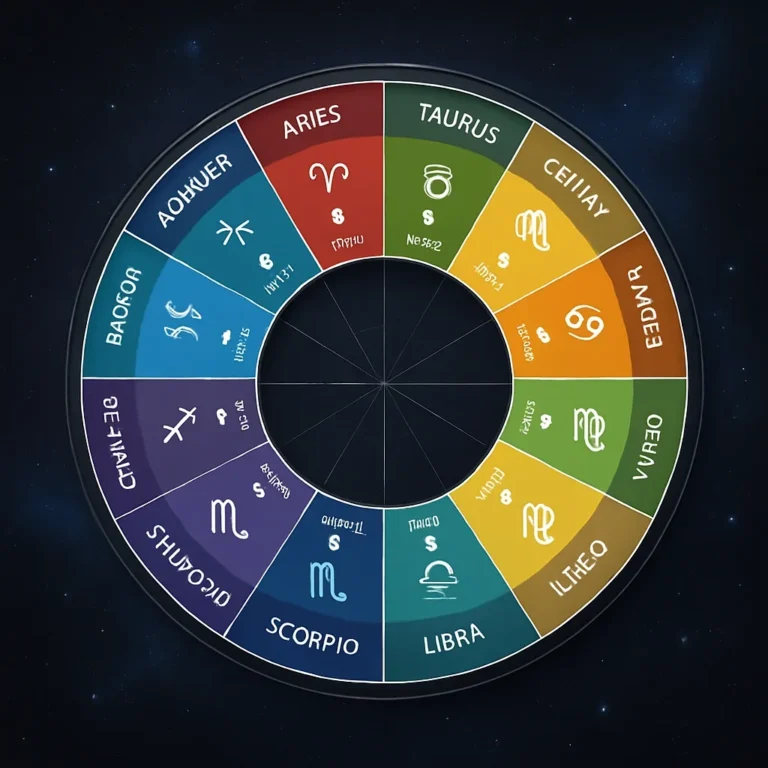
The Zodiac, a band of twelve 30‑degree sectors of the ecliptic, provides the backdrop against which transits are read. Each sign—Aries, Taurus, Gemini, and so forth—carries its own elemental quality (fire, earth, air, water) and ruling planet. The Zodiac framework allows astrologers to map planetary movements onto specific personality traits and life areas.
When a transit occurs, its impact is often interpreted through the lens of the sign it touches. For instance, a transit of Jupiter into Cancer may expand emotional security and family life, whereas a transit of Uranus into Leo could ignite creative rebellion. By correlating planetary aspects with Zodiac symbolism, astrologers can craft nuanced forecasts that resonate with individuals and communities alike.
Key Planetary Transits to Watch in the Coming Years
Below is a concise list of significant transits that are expected to influence the Zodiac in the near future. These events combine astronomical precision with astrological relevance, offering a roadmap for both personal and collective evolution.
- Venus in Retrograde (2024–2025) – A 6‑month period that encourages reevaluation of relationships and values.
- Mars Conjunct Pluto (2025) – A powerful catalyst for transformation and empowerment.
- Saturn Square Uranus (2024–2026) – A tension between tradition and innovation that tests resilience.
- Jupiter Trine Neptune (2025) – A harmonious flow that supports spiritual growth and creativity.
- Mercury Retrograde (2024–2026) – Frequent opportunities to revisit communication, travel, and technology.
These transits are not isolated events; they interact with each other and with the individual’s natal chart, creating a complex web of influences. By staying attuned to these patterns, one can anticipate shifts in mood, motivation, and opportunity.
Scientific Insights: How NASA Observes Planetary Transits
While astrology interprets the symbolic meaning of transits, space agencies like NASA provide the empirical data that underpins our understanding of planetary motion. The NASA Planetary Transits page offers real‑time updates on when planets will pass in front of the Sun from Earth’s perspective, a phenomenon that has historically been used to measure stellar distances and test gravitational theories.
NASA’s Solar System portal provides detailed profiles of each planet, including orbital periods, mass, and atmospheric composition. For example, the Mars page (NASA Mars) highlights the planet’s 687‑day orbit and its significance in both scientific exploration and cultural mythology.
By integrating NASA’s precise orbital data with astrological frameworks, practitioners can create more grounded and nuanced interpretations. This synergy between science and symbolism enriches our collective understanding of how celestial mechanics influence human experience.
Practical Ways to Harness Planetary Transits in Your Life
Whether you’re a seasoned astrologer or a curious newcomer, planetary transits offer actionable insights. Here are five practical strategies to align with the energies of the Zodiac:
- Chart Your Natal Planets – Use reputable online tools to generate your birth chart. Knowing where your Sun, Moon, and rising sign sit will help you interpret transits more accurately.
- Track Key Transits – Mark the dates of major transits on a calendar. Pay special attention to aspects involving your personal planets.
- Set Intentions During Retrogrades – Retrograde periods are ideal for reflection. Use this time to reassess goals, relationships, and communication patterns.
- Embrace Transformation with Pluto Transits – When Pluto aspects your chart, consider deep psychological work or creative projects that challenge old paradigms.
- Celebrate Jupiter’s Expansion – Use Jupiter transits to pursue learning, travel, or philanthropy. The planet’s optimism can amplify your efforts.
By consciously engaging with these transits, you can transform cosmic rhythms into personal growth opportunities. The key is to remain observant, flexible, and open to change.
Conclusion: Your Cosmic Calendar Awaits
Planetary Transits Shape Zodiac. The celestial choreography that unfolds above us is not merely a backdrop; it is a dynamic force that can illuminate our paths, challenge our assumptions, and inspire our evolution. By marrying the precision of NASA’s astronomical data with the rich symbolism of the Zodiac, we gain a holistic perspective that empowers us to navigate the future with confidence.
Ready to align your life with the stars? Start by charting your natal planets, tracking upcoming transits, and setting intentional goals that resonate with the energies of the Zodiac. Embrace the cosmic calendar and let the planets guide you toward a brighter, more purposeful tomorrow.
Take the first step today—discover your birth chart and unlock the transformative power of planetary transits.
Frequently Asked Questions
Q1. What exactly are planetary transits?
Planetary transits occur when a planet moves into a new position relative to the Sun, Moon, or another planet, creating specific angles or aspects such as conjunctions, squares, trines, and oppositions. These movements are observable in astronomy and interpreted symbolically in astrology. Each transit can activate or challenge themes in a natal chart, influencing personal and collective energies.
Q2. How do transits influence my Zodiac sign?
When a transiting planet passes through a sign, it brings that sign’s elemental qualities and ruling planet into focus. For example, Jupiter entering Cancer may expand emotional security, while Uranus in Leo sparks creative rebellion. The impact is felt differently depending on where the transiting planet aligns with your natal chart.
Q3. Which transits are considered most powerful in the coming years?
Key transits include Venus retrograde (2024–2025), Mars conjunct Pluto (2025), Saturn square Uranus (2024–2026), Jupiter trine Neptune (2025), and frequent Mercury retrogrades (2024–2026). These events combine transformative energy with opportunities for growth, reflection, and innovation.
Q4. How can I track planetary transits effectively?
Use reputable online tools and calendars to mark major transit dates. Many astrology websites offer real‑time alerts, and NASA’s planetary transit page provides precise astronomical data. Tracking transits alongside your natal chart helps you anticipate shifts in mood and motivation.
Q5. Are planetary transits scientifically valid or purely symbolic?
From a scientific standpoint, transits are observable celestial events governed by orbital mechanics. Astrology interprets these events symbolically, linking them to human experience. While the two disciplines differ, combining accurate astronomical data with symbolic meaning can enrich personal insight.