Ketu in 12th House Insights
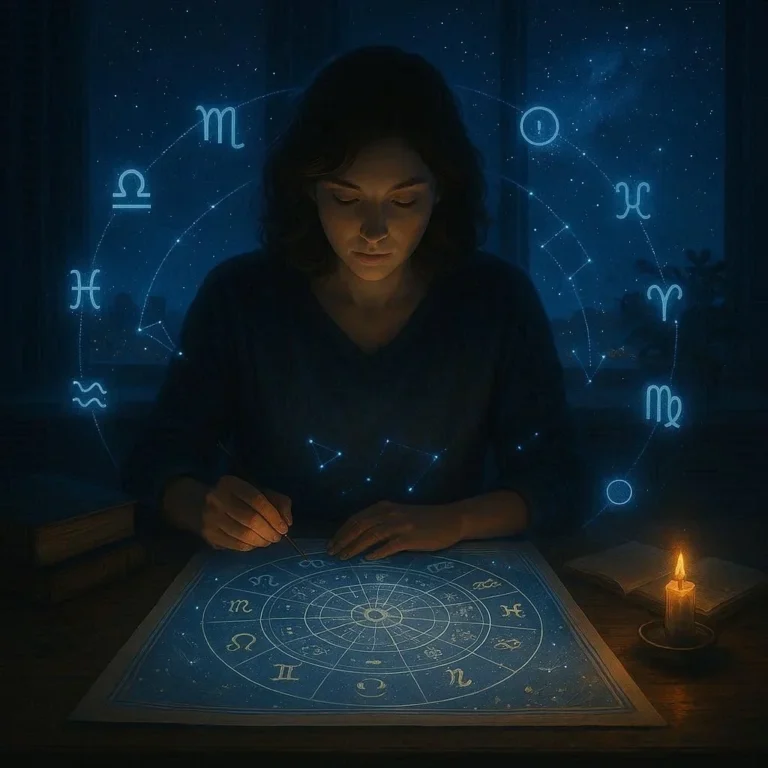
Ketu in 12th House is one of the most intriguing placements in Vedic astrology, often associated with deep spiritual insights, karmic dissolution, and a subtle realm of hidden enemies. While Ketu, the South Node of the Moon, represents detachment and past‑life mastery, the 12th house governs isolation, the subconscious, and spiritual liberation. When these energies converge, the native may experience an inner push toward surrender, yet also confront concealed challenges that test their resolve. Understanding this placement helps seekers navigate both the mystical benefits and the shadowy obstacles that arise on the path of enlightenment.
Ketu in 12th House Meaning
The 12th house is traditionally linked to loss, confinement, and the dissolution of the ego. In the context of Vedic astrology, it also symbolizes moksha—the ultimate liberation from the cycle of birth and death. Ketu, a retrograde planet known for its spiritual thrust, amplifies the house’s karmic flavor. When Ketu occupies the 12th house, the native often feels a natural pull toward meditation, service in remote locations, or solitary retreats. This placement can also indicate a life marked by secretive adversaries, as Ketu’s energy obscures motivations, making hidden enemies harder to detect.
Spiritual Lessons from Ketu in the 12th House
At its core, Ketu in 12th House teaches the art of letting go. Individuals with this configuration may find that material ambitions lose their sparkle, replaced by a yearning for inner peace. The placement encourages:
- Regular meditation or yoga practices that quiet the mind.
- Charitable work that aligns with the house’s humanitarian nature.
- Exploration of dream analysis to decode subconscious messages.
These activities help harness Ketu’s transformative power, channeling it toward spiritual growth rather than escapism. The Ketu Wikipedia entry emphasizes its role as a “headless” entity, symbolizing the removal of egoic attachments—an ideal theme for the 12th house.
Hidden Enemies and 12th House Challenges
The darkness of the 12th house can also conceal adversarial forces. Ketu’s subtle influence may mask the intentions of those who act behind the scenes, leading to feelings of unease or unexplained setbacks. Common manifestations include:
- Unexpected financial loss or hidden debts.
- Conflicts arising in institutions such as hospitals, prisons, or monasteries.
- Psychic disturbances, recurring nightmares, or unexplained anxiety.
Astrologers often advise vigilance in these areas, recommending protective rituals or mantras. Awareness of the potential for hidden enemies allows the native to create safeguards without succumbing to paranoia.
Remedies and Practices for Balance
Balancing the profound spiritual gifts of Ketu in 12th House with its shadow side requires conscious effort. Traditional Vedic remedies include:
- Reciting the Ketu Beej Mantra: “Om Ketave Namah” three times daily.
- Wearing a cat’s eye gemstone (after consulting a qualified astrologer) to harness Ketu’s energy.
- Donating to charities focused on mental health, prisons, or orphanages.
These practices enhance the benevolent aspects of Ketu while mitigating the risk of isolation. The 12th house Wikipedia article outlines the house’s dual nature, reinforcing the need for both introspection and outward service.
Why the 12th House Matters in Vedic Astrology
Beyond individual placements, the 12th house serves as a cosmic laboratory for transformation. It is the arena where the soul confronts its deepest fears, releases karmic baggage, and prepares for rebirth. In the broader framework of Vedic astrology, the 12th house is the gateway to {moksha}, making any planetary influence here especially potent. Ketu’s presence intensifies this journey, urging the native to seek liberation through surrender rather than struggle.
Interpreting Ketu’s Retrograde Motion
Although Ketu is always retrograde in the sky, its symbolic retrograde motion signifies a return to the source. This aligns perfectly with the 12th house’s emphasis on endings and spiritual dissolution. When analyzing a natal chart, astrologers look for aspects from benefic planets like Jupiter or Venus, which can soften Ketu’s austere energy and provide a more graceful path toward enlightenment.
Case Studies: Real‑World Applications
Historical figures such as Mahatma Gandhi and Swami Vivekananda exhibited traits reminiscent of Ketu in 12th House—deep compassion, a proclivity for solitude, and a relentless fight against unseen forces of oppression. While astrology does not claim causation, these parallels illustrate how the placement can manifest in a life dedicated to spiritual service and societal reform.
In modern times, professionals in psychology, research, or humanitarian NGOs often report a natural affinity for behind‑the‑scenes work, echoing the 12th house’s hidden nature. Recognizing the influence of Ketu helps them channel their intuition and mitigate the pitfalls of hidden adversaries.
Integrating Ketu in 12th House Into Daily Life
Practical steps for those with this placement include:
- Setting aside a quiet space for daily meditation or prayer.
- Maintaining a journal to track dreams and subconscious patterns.
- Engaging in charitable activities that align with the 12th house’s humanitarian spirit.
- Consulting an experienced Vedic astrologer for personalized remedies.
These habits nurture the spiritual insights Ketu offers while providing a protective buffer against the hidden enemies that may otherwise surface.
Conclusion: Embracing the dual nature of Ketu in 12th House—its profound spiritual gifts and its subtle challenges—empowers you to walk a path of authentic liberation. By integrating mindful practices, protective rituals, and conscious service, you can transform hidden obstacles into stepping stones toward higher consciousness. Ready to explore your own chart and uncover the deeper purpose behind your Ketu placement? Contact a certified Vedic astrologer today and start your journey toward spiritual mastery.
Frequently Asked Questions
Q1. What does Ketu in the 12th house signify?
Ketu in the 12th house points to a strong urge for spiritual surrender and inner detachment. It often brings an innate interest in meditation, solitary retreats, and charitable service. The placement can also suggest hidden obstacles that test the native’s resilience.
Q2. How can Ketu in the 12th house affect finances?
This placement may lead to unexpected financial losses or hidden debts because the 12th house governs expenditures and secret expenses. The native might feel less motivated to pursue material gain, focusing instead on spiritual wealth. Practicing cautious budgeting and seeking protective remedies can help mitigate financial strain.
Q3. Which remedies are recommended for balancing Ketu in the 12th house?
Traditional remedies include chanting the Ketu Beej Mantra (“Om Ketave Namah”), wearing a cat’s eye gem after astrological consultation, and donating to causes like mental health or prisons. Regular meditation and dream journaling also support the planet’s spiritual energy. These practices aim to enhance positive effects while reducing isolation.
Q4. Can Ketu in the 12th house indicate hidden enemies?
Yes, the 12th house is the house of hidden enemies, and Ketu’s subtle influence can mask the motives of adversaries. Issues may surface as unexplained setbacks, especially in institutions such as hospitals or prisons. Awareness and protective rituals are advised to stay vigilant without becoming paranoid.
Q5. How does Ketu’s retrograde motion influence its meaning in the 12th house?
Ketu is always retrograde, symbolising a return to the source and spiritual dissolution. In the 12th house this accentuates themes of letting go, moksha, and inner transformation. Benefic aspects from planets like Jupiter can soften its austere tone, offering a smoother path to enlightenment.