Effects Of Rahu Ketu and Shani
When astrologers talk about Rahu Ketu and Shani Combined Zodiac Effects, they are referring to the intricate dance of three powerful shadow planets that shape destiny across the twelve signs. While Rahu and Ketu represent the lunar nodes—points of karmic lessons—Shani (Saturn) brings discipline, restriction, and long‑term growth. Together, they create a layered tapestry of challenge and opportunity that influences career paths, health trends, and personal relationships. Understanding these interactions can help you navigate periods of intense transformation with confidence.
Understanding Rahu, Ketu, and Shani
In Vedic astrology, Rahu and Ketu are not physical bodies but mathematical points where the Moon’s orbit crosses the ecliptic. Rahu, the north node, signifies material desire, ambition, and worldly experiences, while Ketu, the south node, reflects spiritual insight, detachment, and past‑life karmic residues. Shani, known as Saturn in Western astrology, governs time, responsibility, and the inevitable lessons that come from perseverance.Saturn (Shani) is often called the great teacher because its transits demand patience and hard work. When these three forces align, the resulting energy can feel both exhilarating and daunting.
How Combined Influence Varies Across Zodiac Signs
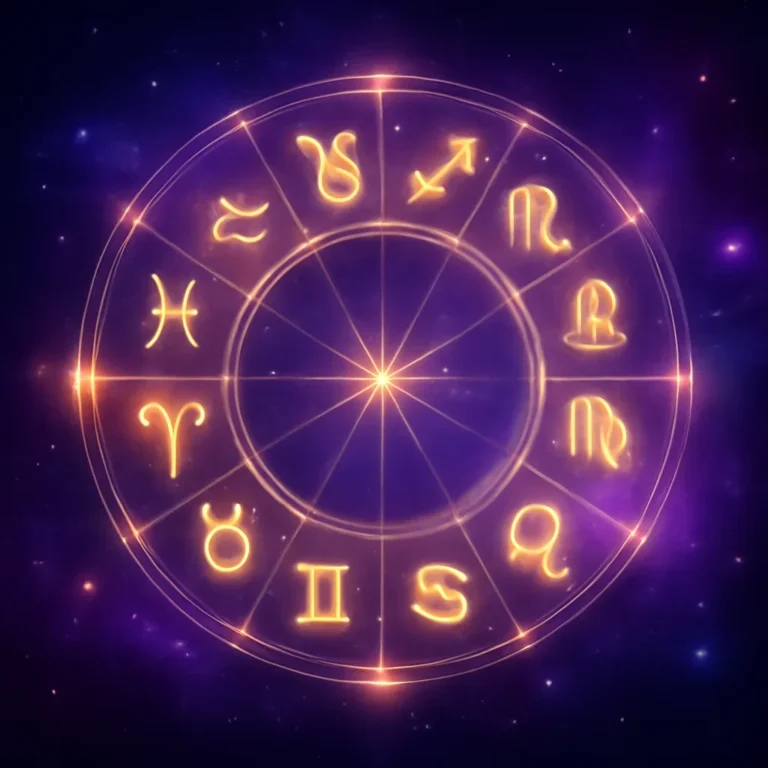
The impact of Rahu, Ketu, and Shani differs from one zodiac sign to another due to the natural qualities of each sign and the houses they occupy in a natal chart. Below is a concise overview of the major themes that emerge when the three shadow planets interact within each sign.
Aries to Cancer
- Aries: Rahu amplifies entrepreneurial drive, Ketu urges inner reflection, while Shani tests patience, often leading to delayed projects that eventually become solid foundations.
- Taurus: The combination triggers financial scrutiny; Rahu may tempt risky investments, Ketu encourages mindfulness about wealth, and Shani forces disciplined budgeting.
- Gemini: Communication becomes a battlefield; Rahu fuels curiosity, Ketu promotes introspection, and Shani imposes a need for clear, purposeful dialogue.
- Cancer: Emotional security is at stake. Rahu pushes for outside validation, Ketu fosters emotional independence, and Shani demands emotional maturity through structured habits.
Leo to Scorpio
- Leo: Creative expression is intensified. Rahu seeks spotlight, Ketu prefers hidden talents, and Shani insists on refining craft through rigorous practice.
- Virgo: Health and service are highlighted. Rahu may introduce unconventional wellness trends, Ketu nudges toward holistic balance, while Shani imposes routine and realistic goal‑setting.
- Libra: Partnerships face tests. Rahu encourages new alliances, Ketu urges letting go of past patterns, and Shani stresses equitable responsibility.
- Scorpio: Transformative power surges. Rahu drives deep exploration, Ketu offers detachment from obsessive cycles, and Shani guarantees that transformation occurs with discipline.
Sagittarius to Pisces
- Sagittarius: Philosophy and higher learning are under pressure; Rahu expands horizons, Ketu calls for inner truth, and Shani structures study through consistent effort.
- Capricorn: Career ambitions are reshaped. Rahu may promise rapid rise, Ketu warns against shortcuts, while Shani cements long‑term success through steady work.
- Aquarius: Innovation meets restriction; Rahu sparks revolutionary ideas, Ketu promotes humanitarian detachment, and Shani tests ideas with practical limitations.
- Pisces: Spirituality deepens. Rahu seeks mystical experiences, Ketu encourages surrender, and Shani grounds dreams with realistic practices.
Implications for Career, Health, and Relationships
Across all signs, the trio of Rahu, Ketu, and Shani tends to manifest in three core life areas:
- Career: Rahu fuels ambition and a desire for recognition; Ketu may cause moments of doubt or a feeling of being out of sync with the corporate ladder. Shani’s influence often arrives as a period of delayed promotions or increased responsibilities that feel burdensome but ultimately strengthen professional credibility.
- Health: Rahu can lead to overstimulation—stress, insomnia, or addictive tendencies. Ketu encourages periods of withdrawal, prompting restorative practices like meditation. Shani imposes structure, urging regular exercise, disciplined diet, and routine health check‑ups.
- Relationships: Rahu promotes excitement and novelty, sometimes creating a “novelty‑seeker” pattern. Ketu may cause emotional distancing, urging introspection. Shani demands loyalty, long‑term commitment, and the willingness to work through conflicts methodically.
When these planets align, the resulting narrative is one of tension between desire and duty, urging individuals to balance external achievements with inner growth.
Mitigation Strategies and Remedies
Vedic tradition offers practical remedies to ease the harsher effects of Rahu, Ketu, and Shani while enhancing their positive potentials. Below are widely recommended practices backed by classical texts and contemporary astrologers:
- Mantra Chanting: Reciting Om Rahave Namah, Om Ketave Namah, and Om Shanishcharaya Namah for at least 108 repetitions each morning can pacify planetary tension.
- Charity: Donating mustard oil on Saturdays (for Shani), black sesame seeds on Saturdays, or feeding crows (associated with Rahu) helps neutralize negative influences.
- Gemstone Therapy: Wearing a dark blue sapphire (for Shani) after proper astrological verification, a smoky quartz (for Rahu), and a cat’s eye (for Ketu) can realign energies.
- Ayurvedic Support: Incorporating digestion‑friendly herbs like ginger and cumin supports Rahu‑induced stress, while adaptogenic herbs (ashwagandha) aid Shani‑related fatigue.
- Meditation and Yoga: Practices focusing on the third eye (Ajna) and root chakra (Muladhara) harmonize Rahu and Shani respectively, whereas Ketu benefits from quiet, breath‑centered meditation.
It is essential to consult a qualified Vedic astrologer before adopting gemstone or mantra remedies, as individual charts dictate specific doshas (imbalances) that require personalized solutions.
Conclusion
The Rahu Ketu and Shani Combined Zodiac Effects create a potent blend of ambition, introspection, and disciplined growth that touches every facet of life. By recognizing the distinct ways these shadow planets influence each zodiac sign, you can anticipate challenges, seize opportunities, and apply targeted remedies to smooth the journey. Embrace the lessons of Shani, harness the curiosity of Rahu, and integrate the wisdom of Ketu to transform obstacles into stepping stones toward lasting fulfillment.
Ready to explore how these planetary forces shape your personal chart? Contact a certified Vedic astrologer today and start your path to empowered living.
Frequently Asked Questions
Q1. What does Rahu represent in Vedic astrology?
Rahu is the north lunar node and symbolizes material desire, ambition, and worldly experiences. It drives curiosity and the pursuit of new opportunities, often pushing individuals toward rapid growth. When activated, Rahu can create excitement but may also bring restlessness.
Q2. How does Ketu influence personal growth?
Ketu is the south lunar node, representing past‑life karmic residues and spiritual insight. It encourages detachment, introspection, and the search for inner truth. Its energy can feel limiting, yet it guides one toward deeper wisdom.
Q3. Why is Shani called the “great teacher”?
Shani (Saturn) governs time, responsibility, and disciplined effort. Its transits often bring delays, obstacles, and hard‑earned lessons that build long‑term stability. By confronting challenges, Shani teaches perseverance and maturity.
Q4. How do Rahu, Ketu, and Shani together affect career prospects?
The trio creates tension between ambition (Rahu), inner doubt or detachment (Ketu), and disciplined effort (Shani). Rahu may spark bold goals, Ketu can cause periodic disengagement, while Shani imposes realistic timelines and increased workload. Successful navigation results in solid, lasting achievements.
Q5. What simple remedies can reduce the hardships of these planets?
Traditional practices include chanting specific mantras, donating mustard oil or black sesame on Saturdays, and wearing verified gemstones like dark blue sapphire, smoky quartz, or cat’s eye. Regular meditation, yoga focused on the Ajna and Muladhara chakras, and Ayurvedic herbs also help balance their energies. Always consult a qualified Vedic astrologer before adopting remedies.