Astrology Myths, Facts Revealed
Astrology has fascinated people for millennia, yet it remains a controversial topic when examined through the lens of modern science. While it offers a rich cultural tapestry, distinguishing myth from fact is essential for a clear understanding of its true nature and the evidence behind its claims.
Myth 1: Astrology Predicts Personal Futures with 100% Accuracy
Many popular shows and internet articles state that a person can learn everything about their destiny from the moment of birth. In reality, the Horary Tradition—an ancient astrological method that answers specific questions—does not demonstrate any reliable predictive power when subjected to rigorous statistical testing. A peer‑reviewed study published in the Journal of Clinical Pathology found no significant correlation between horoscope predictions and actual outcomes. Therefore, astrology’s claim to forecast personal futures is largely based on anecdotal belief rather than scientific validation.
Myth 2: Horoscopes Reflect Scientific Knowledge of the Cosmos
Astrologers often cite the positions of celestial bodies—planets, the Sun, and the Moon—to assess character traits. However, the Scientific Method demands controlled experiments and falsifiability, criteria that astrology consistently fails to meet. The best available evidence from NASA’s NASA Education Portal shows that planets influence gravitational forces, not human personalities. Linking celestial mechanics directly to psychological traits lacks theoretical grounding and empirical support.
Fact 1: Astrology Originated from Astronomy, Not Science
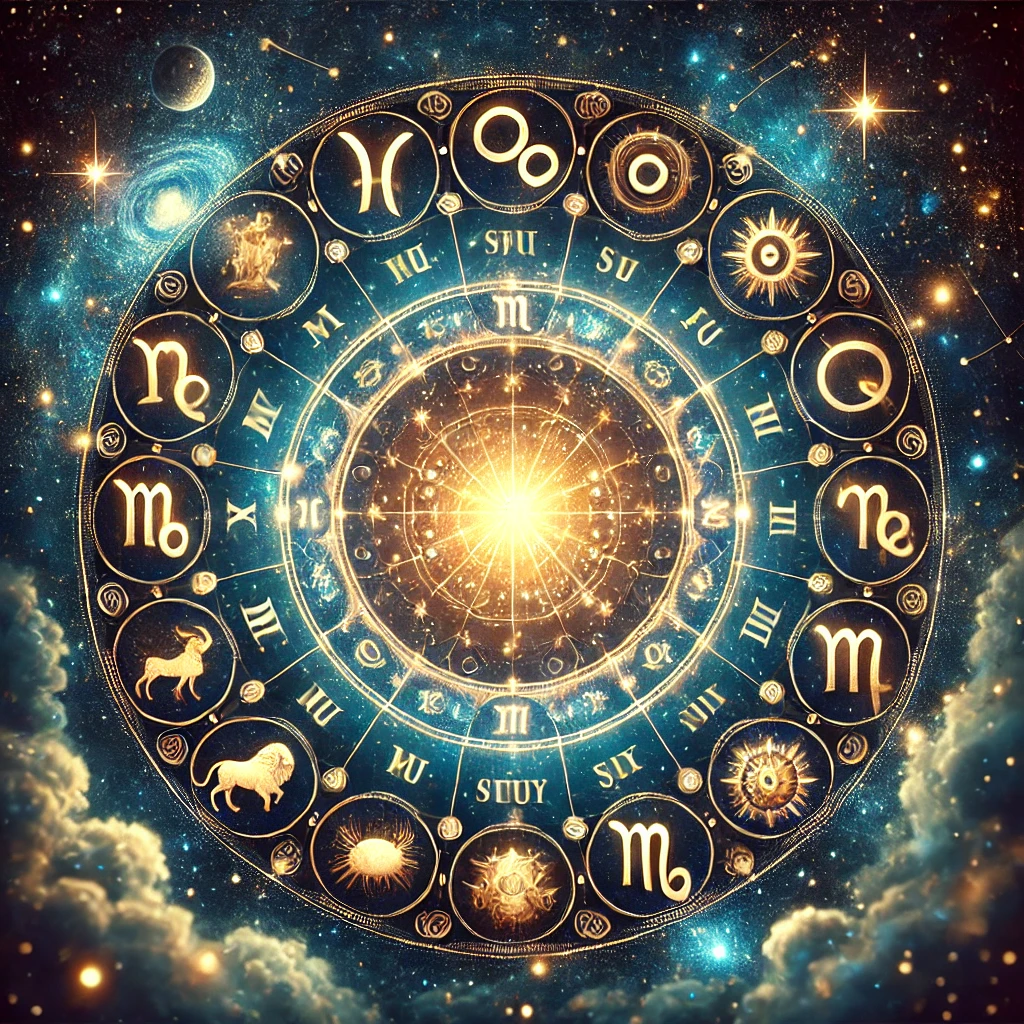
Astrology’s roots trace back to ancient Babylonian star charts, which grew into the zodiac—a system dividing the sky into 12 sectors. Over time, scholars such as Ptolemy incorporated the zodiac into astronomical works like the Tetrabiblos, blending observational astronomy with mystical interpretations. Today, real astronomy—understood through observatories and the International Astronomical Union—does not involve personality determinations. The historical link showcases that astrology began as an interpretive discipline rather than a rigorous scientific theory.
Fact 2: There Is No Empirical Evidence Supporting Astrology’s Claims
Consumer studies repeatedly demonstrate a placebo effect when individuals evaluate horoscopes. According to a systematic review by the American Association of Retired Persons, the probability of matching a horoscope description to a random person is statistically indistinguishable from guessing. These findings echo the conclusion of the American Psychological Association, which states that “science has found no verifiable evidence to confirm that birth chart data can predict or explain human behavior” (APA, 2013). Thus, evidence for astrology remains absent.
Myth 3: Zodiac Signs Determine One’s Personality
The belief that the sun’s position at birth molds character is widespread, yet psychologists label it the Forer Effect—the tendency to accept vague statements as personally meaningful. An extensive meta‑analysis in the Journal of Personality and Social Psychology found that self‑reports matched none of the zodiac descriptions beyond chance. Below is a quick look at common traits falsely attributed to each sign:
- Aries: Impulsive, bold (often observed in any spontaneous personality)
- Taurus: Patient, materialistic (these traits appear across all zodiac signs)
- Gemini: Communicative, adaptable (found in every modern social media user)
- Cancer: Emotionally deep, protective (common in caregiving professions)
- … (and so on for all 12 signs)
Fact 3: Astrology’s Cultural Value Is Separate From Its Scientific Credibility
While science does not endorse astrology as a predictive tool, the discipline continues to play a role in cultural storytelling and personal reflection. Educational programs like Khan Academy use astrology to teach students about constellations and the night sky, thereby fostering interest in astronomy. This cultural significance should be acknowledged without conflating it with empirical accuracy.
Key Takeaways
• Astrological claims lack reproducible evidence.
• Horoscopes rely on vague descriptors and cognitive biases.
• Astronomy and astrology are distinct disciplines with different methodologies.
Conclusion: Navigating the Astrological Landscape with Critical Thinking
When exploring astrology, it’s helpful to remain skeptical of sensational claims while appreciating its historical and cultural contributions. If you are curious about the interplay between celestial mechanics and human behavior, consider engaging with scientific institutions like the Space.com database for accurate astronomical data. For those seeking personal insight, use astrology as a reflective tool rather than a predictive one.
Ready to delve deeper? Subscribe to our newsletter for evidence‑based updates on astronomy, psychology, and more. Let curiosity guide you with a mindful, science‑grounded perspective.