Astrological Insights for Healthy Partnerships
When couples seek lasting harmony, many turn to Astrological Insights for Healthy Partnerships as a guide that blends ancient wisdom with modern self‑awareness. By examining the positions of the Sun, Moon, and planets at birth, partners can uncover hidden strengths, anticipate potential friction, and cultivate a relationship that feels both supportive and vibrant. This approach does not replace open communication or professional counseling; instead, it adds a nuanced layer of insight that can deepen emotional intimacy and mutual respect.
Astrological Foundations of Healthy Partnerships
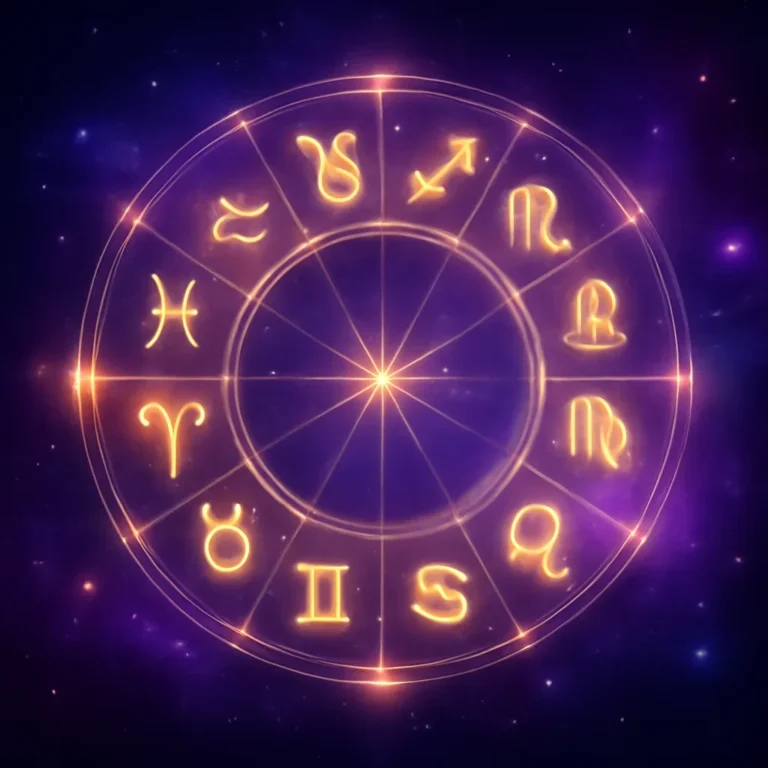
At the core of relationship astrology is the concept of the birth chart, a celestial snapshot captured at the moment of each individual’s birth. The chart is divided into twelve houses, each representing a different life arena, such as communication, love, and shared resources. When two charts are compared—a practice known as synastry—the alignment of planets across these houses reveals how energies interact.
Key factors that influence partnership dynamics include:
- Sun signs: Core identity and conscious goals.
- Moon signs: Emotional needs and instinctual reactions.
- Venus and Mars: Romantic expression and sexual drive.
- Aspects: Angles between planets that indicate harmony (trines, sextiles) or tension (squares, oppositions).
Understanding these components provides a roadmap for navigating conflicts and celebrating shared strengths. For a deeper scholarly overview, see the Astrology Wikipedia entry.
Zodiac Compatibility: Beyond Sun Sign Stereotypes
Popular media often reduces compatibility to simple Sun‑sign pairings, but true astrological compatibility digs deeper. While a Cancer Sun may feel an intuitive bond with a Scorpio, their Moon and Venus placements could create friction if one partner values emotional security while the other seeks autonomy. By analyzing the entire natal chart, couples can identify where their core values align and where conscious effort is required.
Secondary keywords such as zodiac compatibility and relationship astrology appear naturally in discussions about how planetary placements influence love languages, conflict resolution styles, and long‑term aspirations. For instance, a pair with a harmonious Venus‑Mars trine often experiences effortless sexual chemistry, whereas a Venus square Mars may need to negotiate differing expressions of affection.
Planetary Influences on Daily Interactions
Beyond the static birth chart, the current movement of planets—the transits—can trigger temporary shifts in mood and behavior. A Mercury retrograde, for instance, is known for communication glitches and misunderstandings. Couples who recognize these periods can pre‑emptively set clear expectations, practice extra patience, and avoid unnecessary arguments.
Another powerful influence is the Moon’s phase. The New Moon invites fresh beginnings, making it an ideal time to set joint intentions, while the Full Moon illuminates emotional truths that may need addressing. Tracking these cycles can enhance emotional attunement and foster a rhythm that feels both organic and supportive.
For authoritative data on planetary positions, consult the NASA Planetary Facts page, which provides reliable, up‑to‑date information on orbital mechanics.
Practical Steps for Integrating Astrology into Your Relationship
While the theory can be intricate, applying astrological insights can be straightforward. Below are five actionable steps couples can take to weave these insights into everyday life:
- Compile each partner’s full birth chart using a reputable source such as University of Nebraska-Lincoln’s astrology resources.
- Identify the strongest aspects between the charts—look for trines and sextiles that signal natural flow, and squares or oppositions that may require mindful communication.
- Discuss the meaning of each key aspect in plain language; avoid jargon and focus on how the energy feels in daily interactions.
- Set a monthly “astrology check‑in” to review current transits and plan for any challenging periods, such as Mercury retrograde or a Mars square.
- Celebrate the harmonious points with rituals—shared meditations, goal‑setting sessions, or simple date nights that honor your cosmic connection.
By treating astrology as a collaborative tool rather than a deterministic rulebook, couples can cultivate empathy, anticipate stressors, and reinforce the qualities that make their partnership thrive.
Astrology’s Role in Long‑Term Relationship Growth
Healthy partnerships evolve over time, and the astrological lens offers a macro‑view of that evolution. As individuals progress through life stages—career development, parenthood, retirement—their natal houses and transits illuminate shifting priorities. For example, a Saturn return (occurring roughly every 29.5 years) often prompts introspection and restructuring, which can be a catalyst for redefining relationship goals.
When both partners understand these cycles, they can support each other’s growth with compassion rather than resistance. This perspective aligns with contemporary relationship research that emphasizes the importance of personal development within a couple’s framework.
Conclusion: Embrace Astrological Insights for Healthy Partnerships Today
Integrating Astrological Insights for Healthy Partnerships into your relationship strategy offers a unique blend of self‑knowledge and mutual understanding. By exploring birth charts, honoring planetary transits, and applying practical steps, couples can navigate challenges with greater clarity and celebrate their bond with renewed purpose. Ready to deepen your connection? Start your astrological journey now and experience the transformative power of cosmic awareness in your partnership.
Frequently Asked Questions
Q1. How does synastry reveal relationship strengths?
Synastry compares two natal charts to see how planetary energies interact. harmonious aspects like trines show natural flow, while squares point to potential friction. Understanding these patterns helps couples focus on their strengths and navigate challenges.
Q2. Will a Mercury retrograde period damage my relationship?
Mercury retrograde mainly affects communication, not the core of a partnership. Misunderstandings are more likely, so it’s wise to double‑check messages and practice patience. The period can also be an opportunity to review and clarify shared goals.
Q3. What does a Venus‑Mars trine mean for romance?
A Venus‑Mars trine blends love (Venus) and desire (Mars) in a smooth, supportive way. Couples often feel effortless chemistry and mutual appreciation of affection. Even when other aspects are tense, this trine can provide a comforting emotional anchor.
Q4. How often should we check planetary transits?
Monthly check‑ins are a practical rhythm, aligning with major lunar phases and planetary movements. For major aspects like Saturn returns or Mars squares, a more focused review is helpful. Consistent tracking builds awareness without overwhelming daily life.
Q5. Is astrology a scientifically proven relationship tool?
Astrology is not a science in the traditional empirical sense, but many find symbolic value in its archetypes. It works best as a reflective framework that encourages dialogue and self‑knowledge. Combining astrological insight with open communication offers the most balanced approach.